
A Kuba raffia prestige textile, Democratic Republic of the Congo, first half of the 20th century
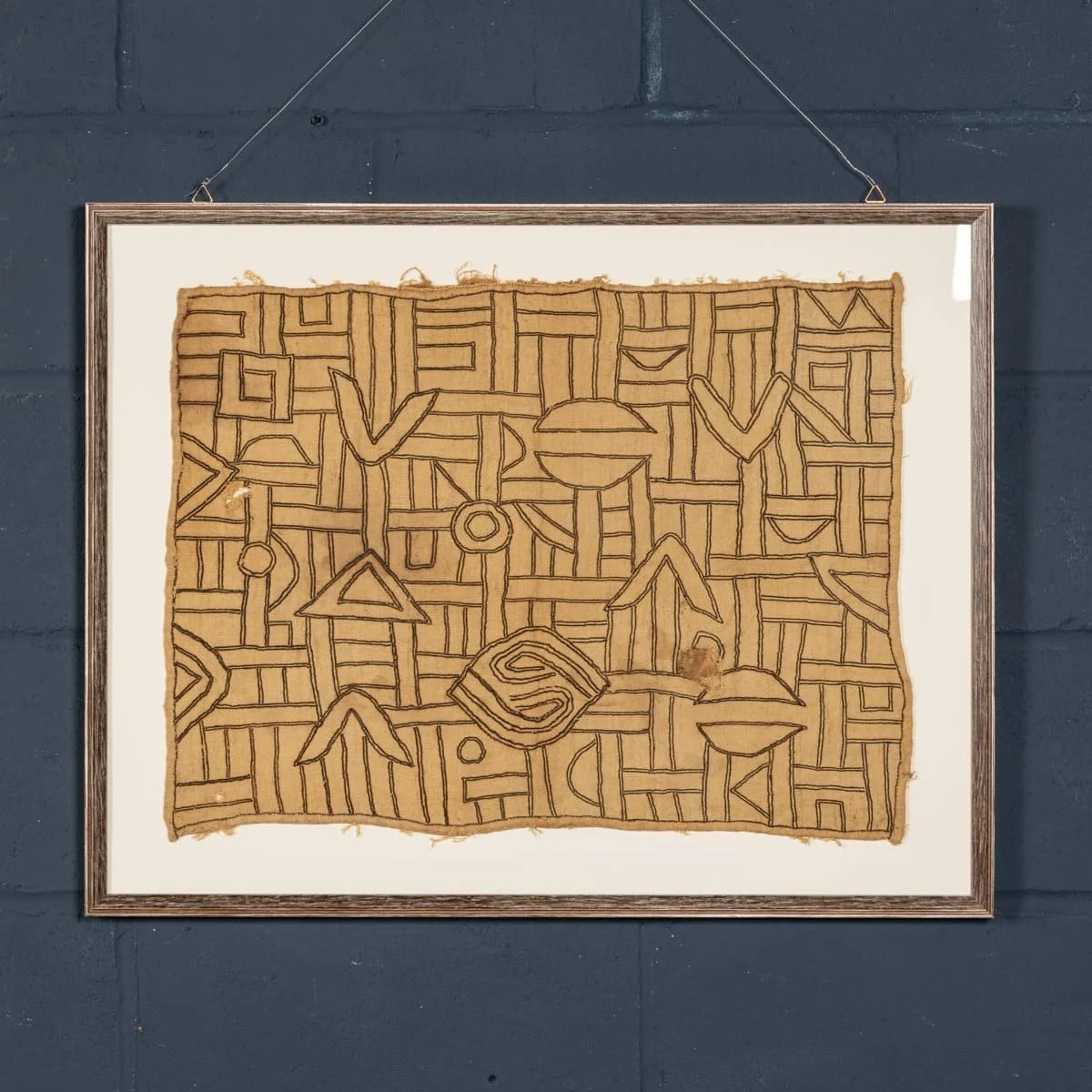
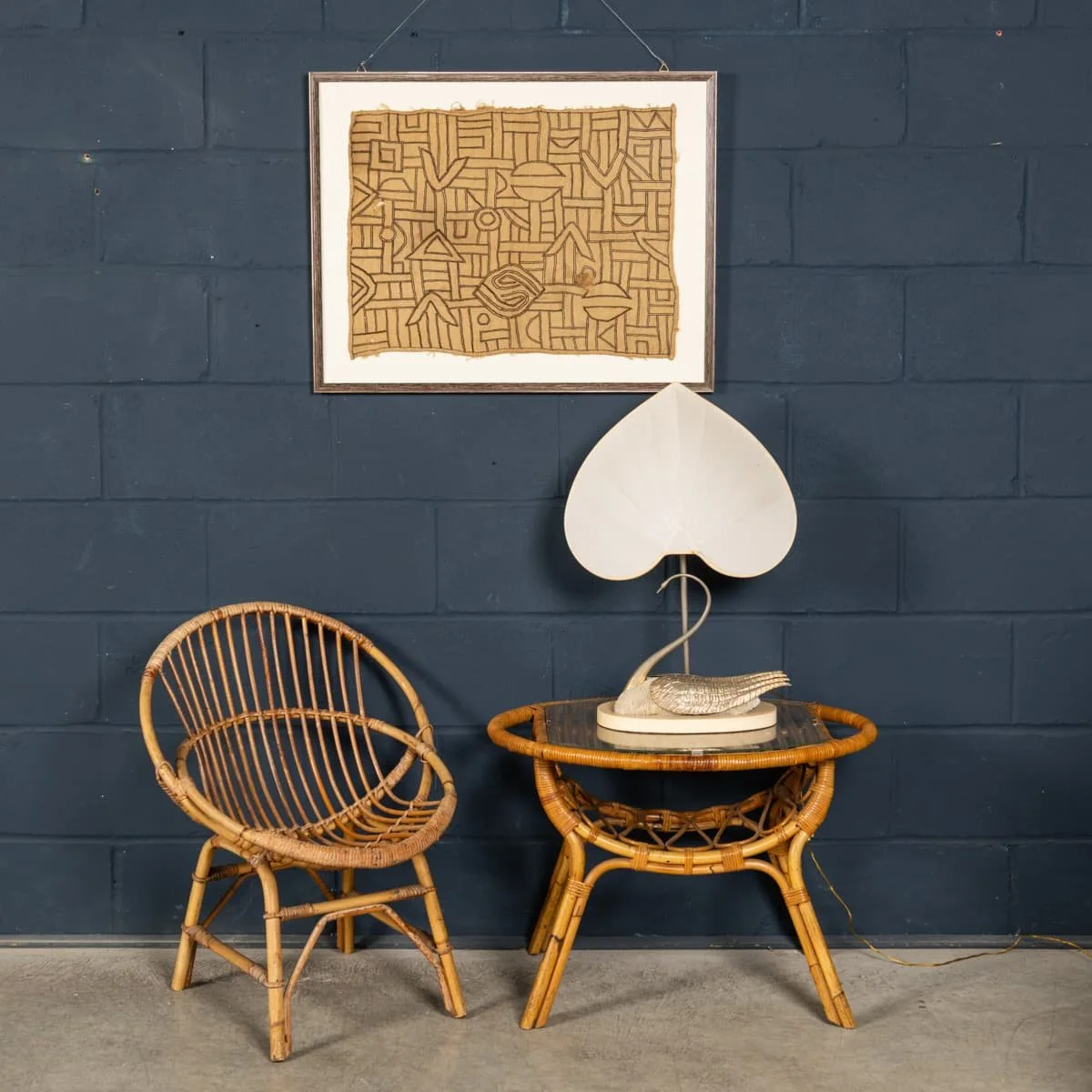
A Kuba raffia prestige textile, Democratic Republic of the Congo, first half of the 20th century
kuba raffia prestige textile, Democratic Republic of the Congo, first half of the 20th century
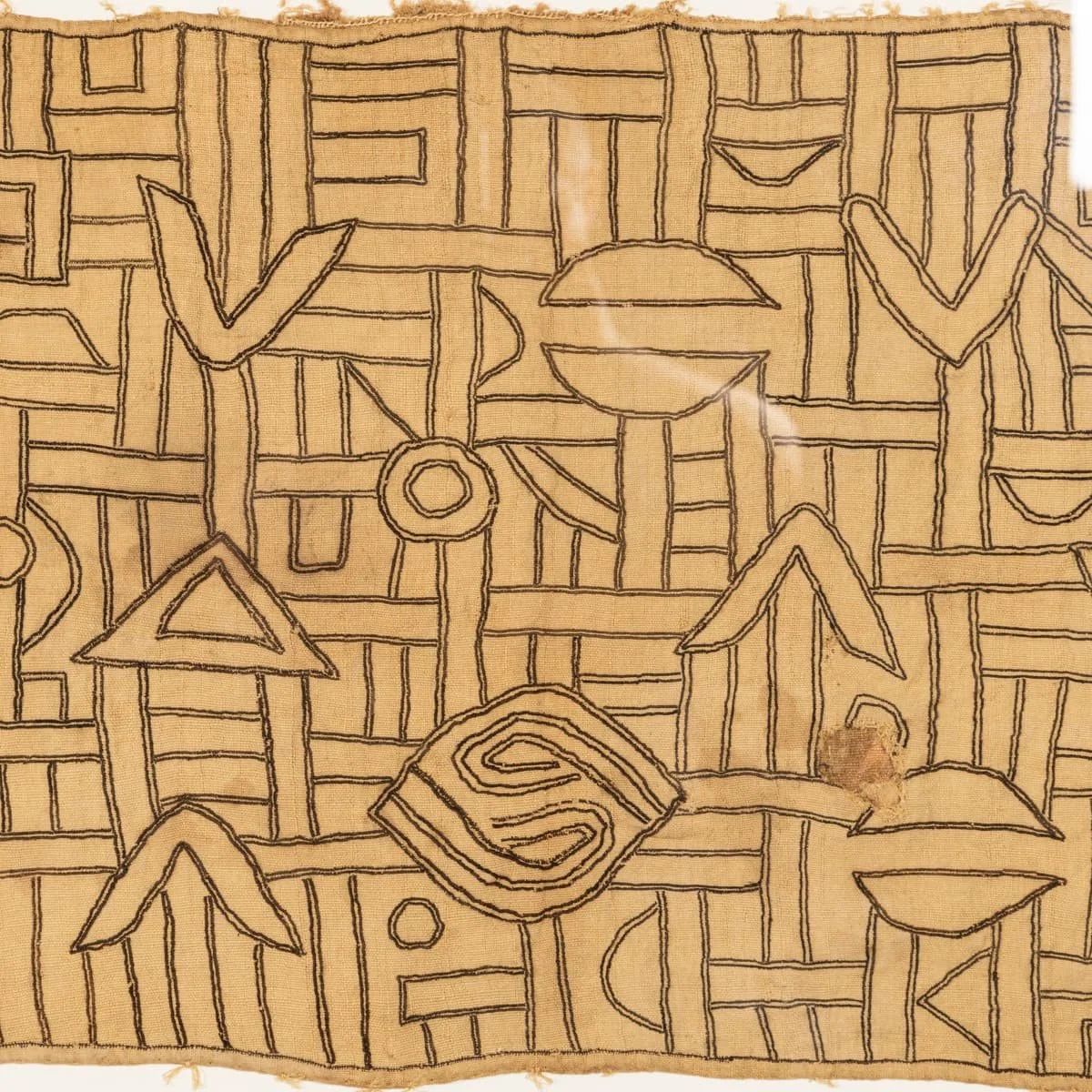
A finely woven Kuba raffia prestige textile from the Democratic Republic of the Congo, dating to the first half of the twentieth century. Distinguished by its intricate geometric composition and exceptional craftsmanship, the textile represents one of the finest expressions of the celebrated weaving traditions of the Kuba peoples, whose textiles are recognised among the most accomplished works of African art.
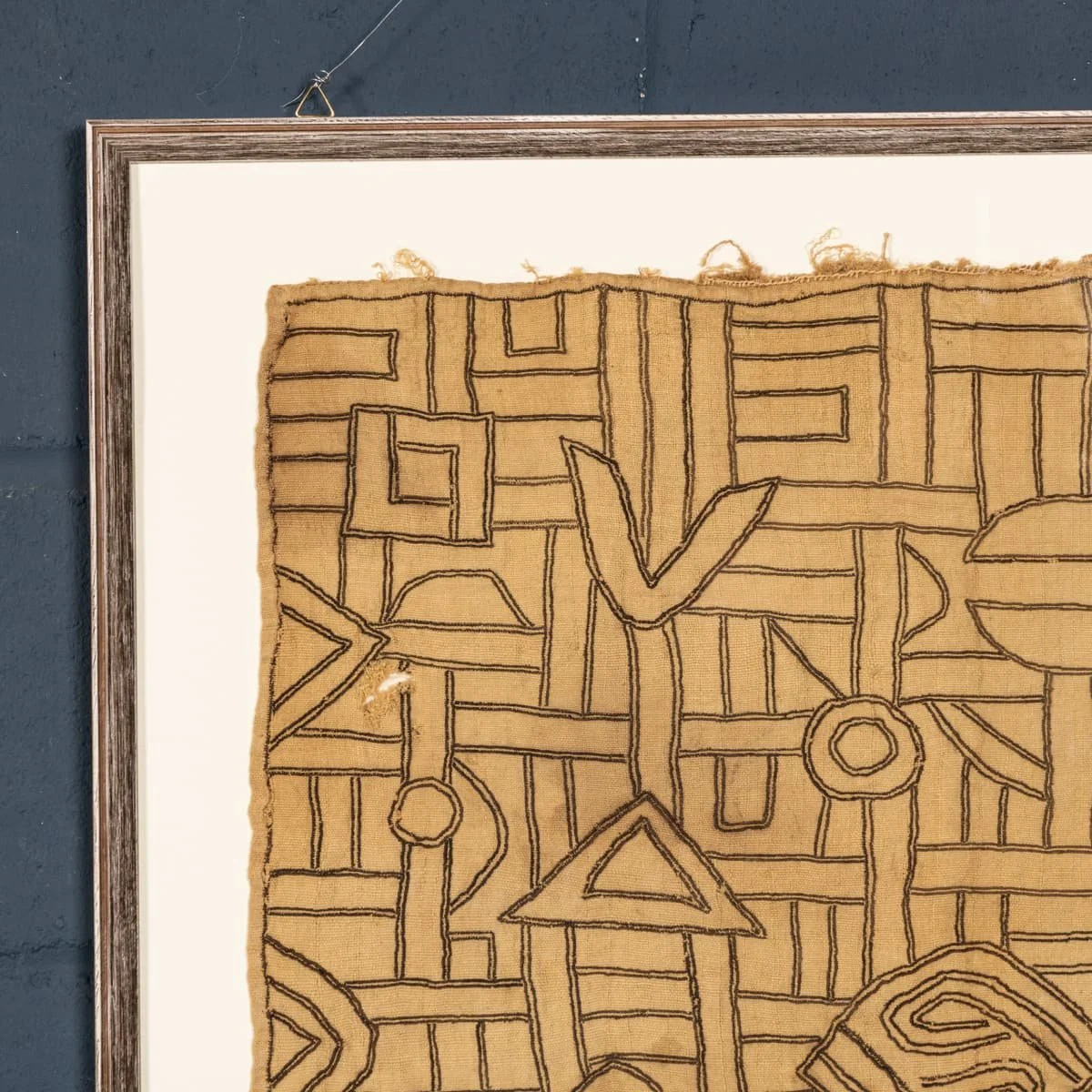
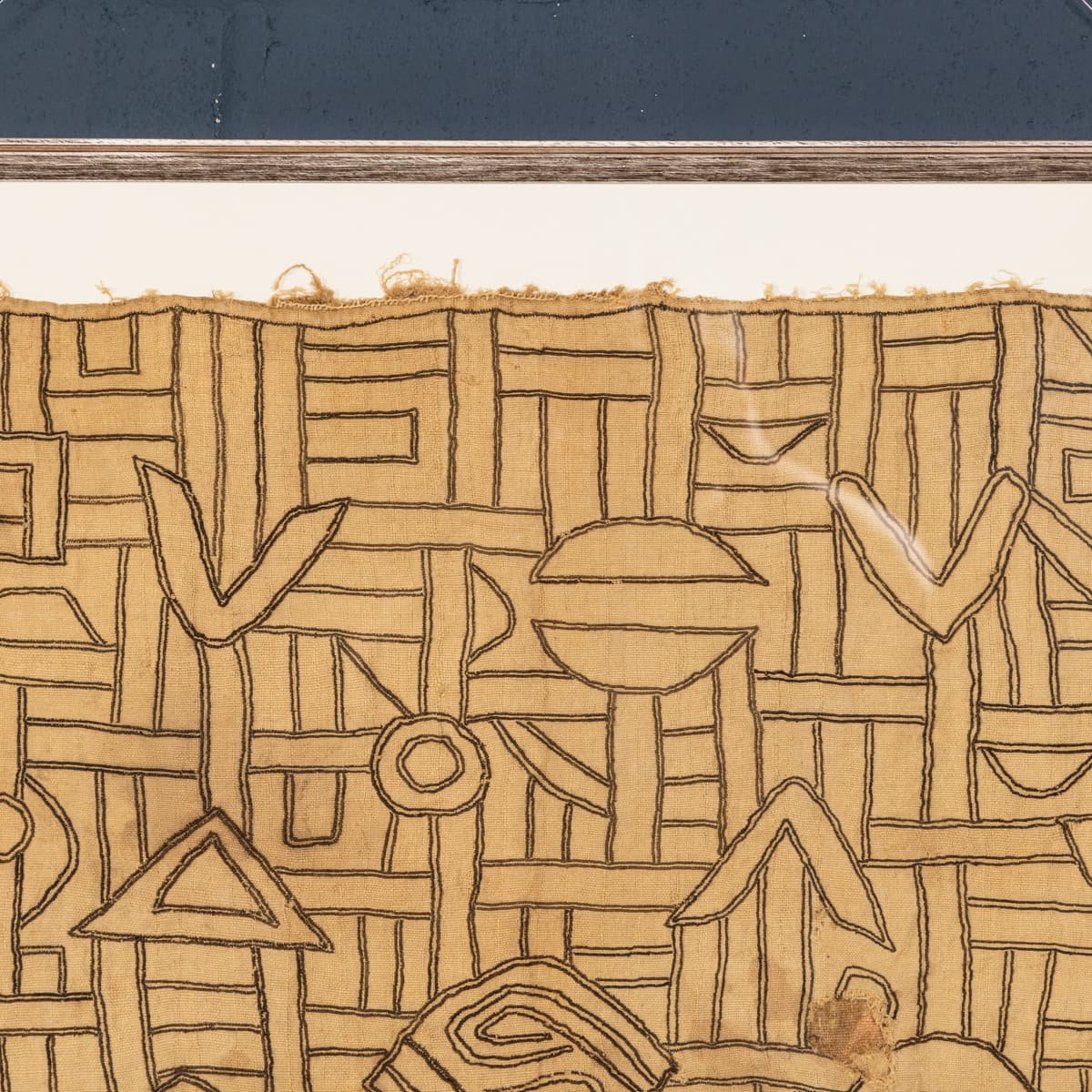
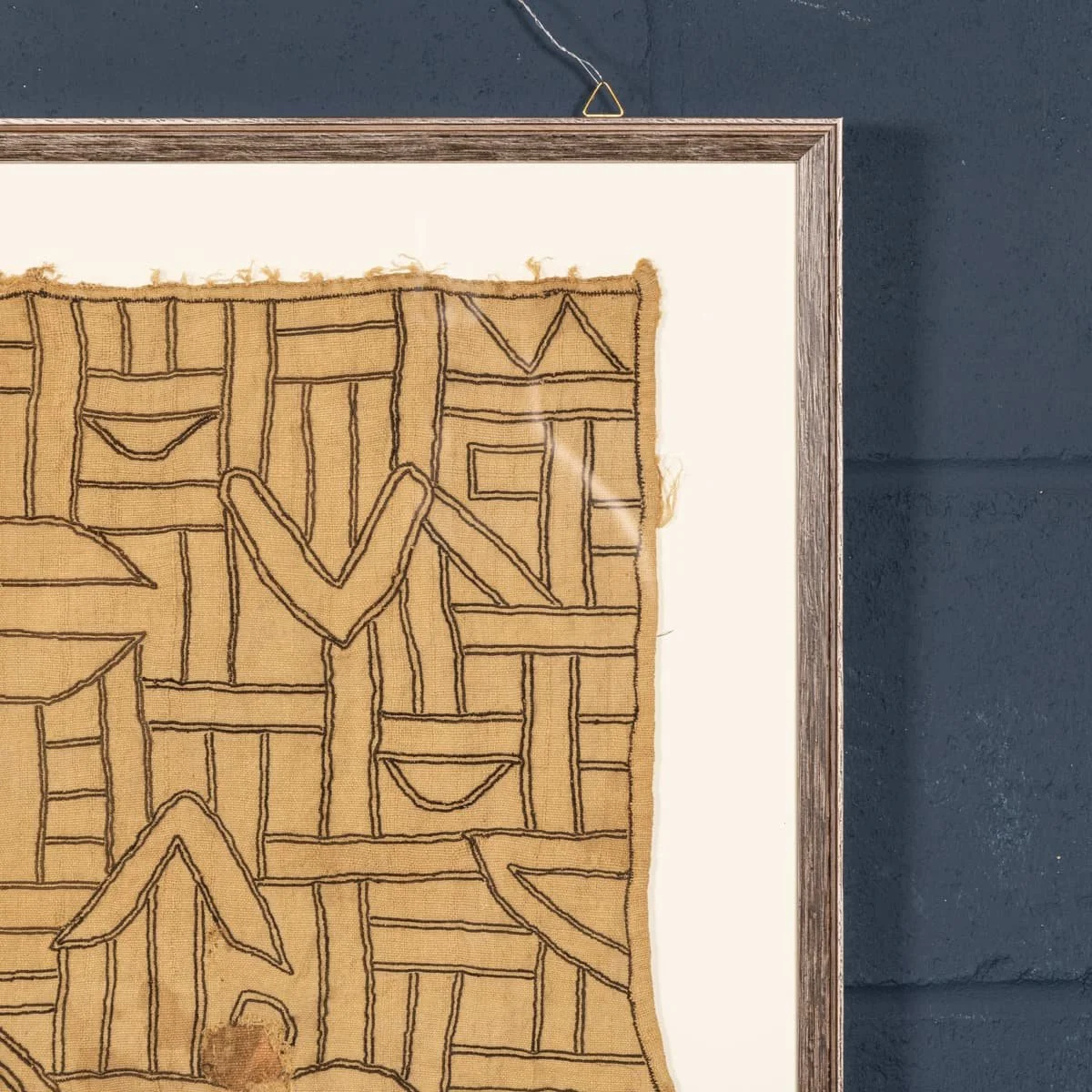
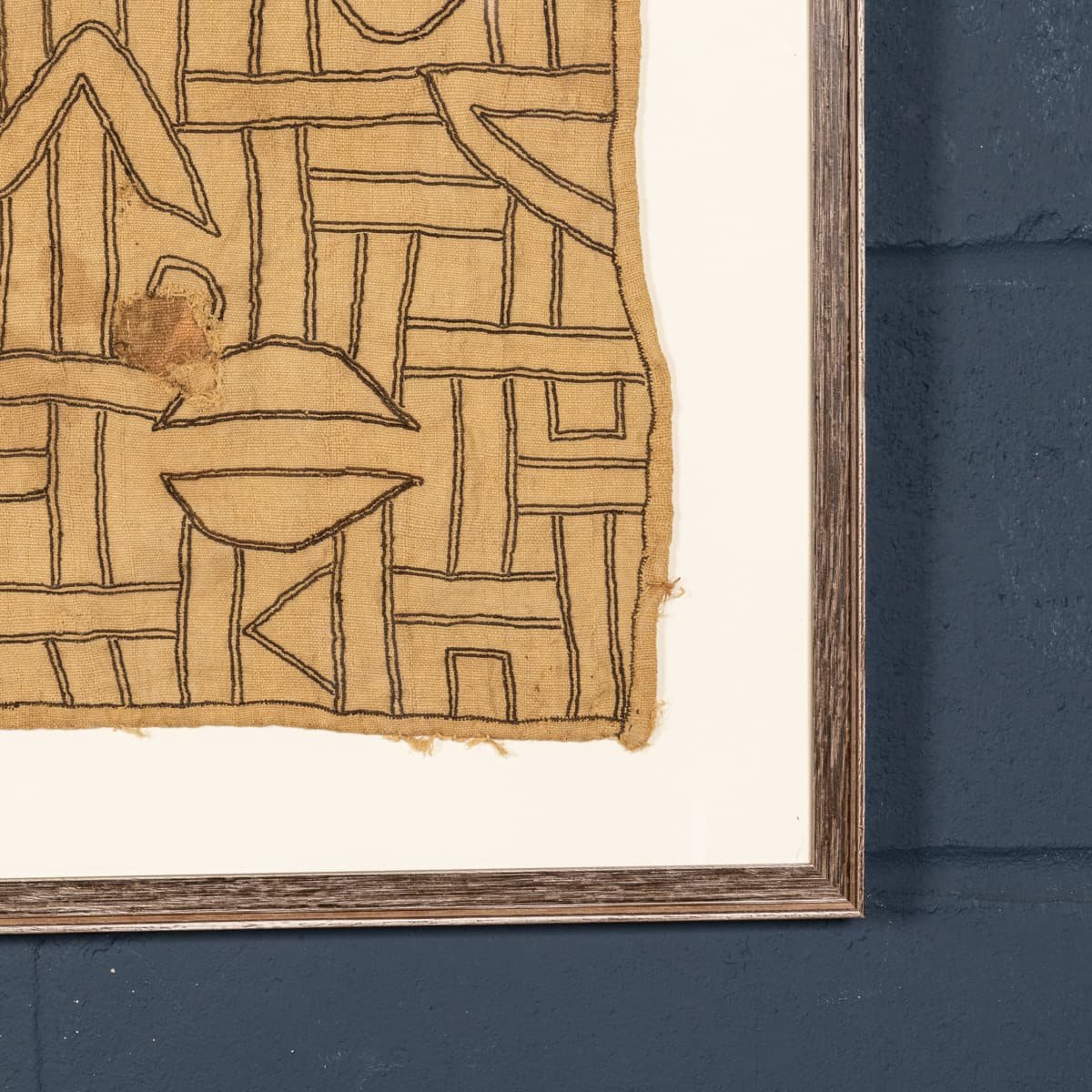
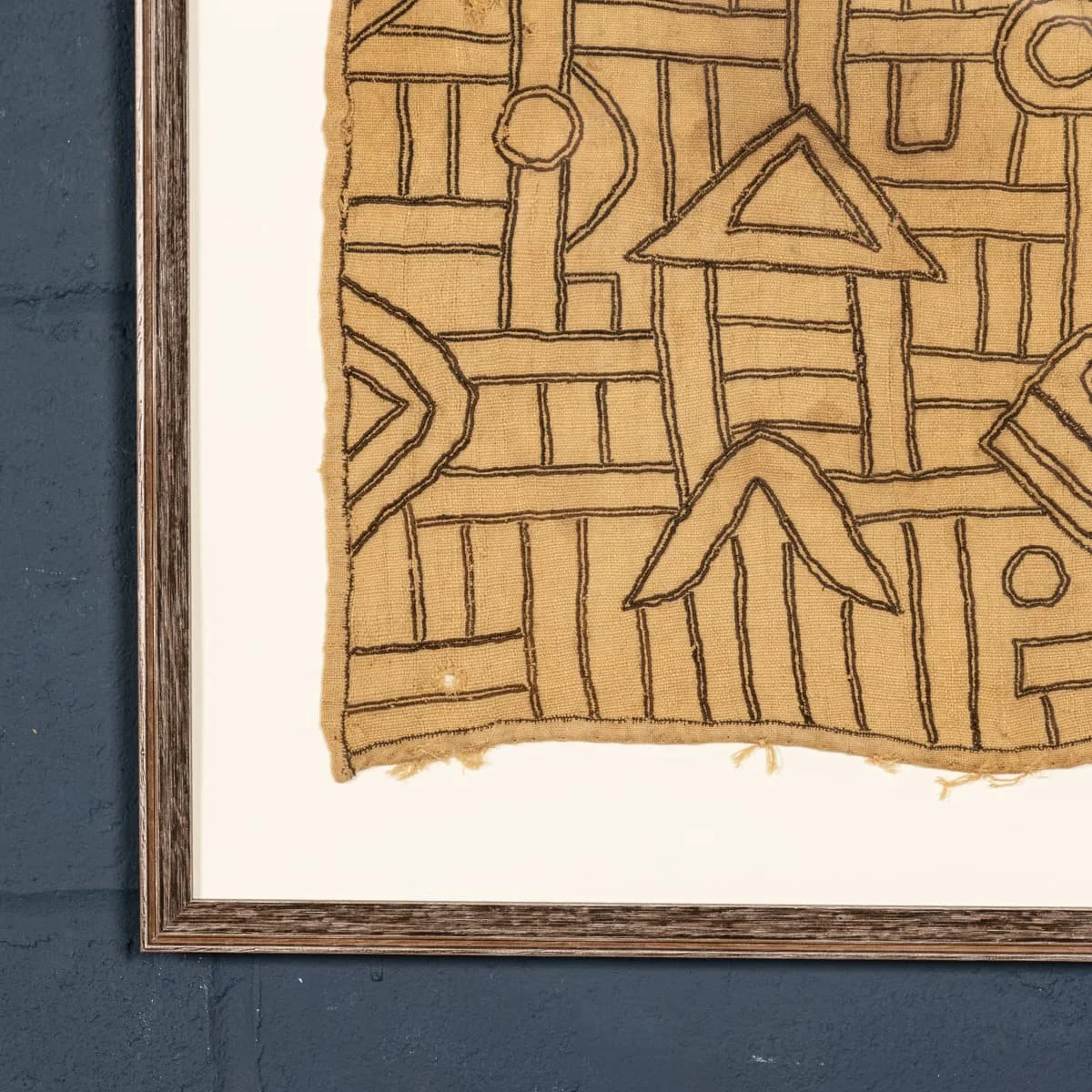
Handwoven from raffia palm fibres, the textile is decorated with an elaborate network of finely embroidered geometric motifs arranged in a complex, maze-like composition. Executed in warm natural tones against a contrasting raffia ground, the design is formed from an extraordinary variety of angular and linear elements, creating a rhythmic abstract pattern of remarkable sophistication. The deliberate asymmetry and subtle irregularities are characteristic of Kuba aesthetics, where individual creativity and variation were valued over perfect repetition, ensuring that every textile was unique.
The Kuba Kingdom, centred in the Kasai region of what is now the Democratic Republic of the Congo, developed one of Africa's most sophisticated textile traditions from the seventeenth century onwards. Raffia weaving was a collaborative process, with men producing the woven cloth while women carried out the intricate embroidery and surface decoration. The resulting textiles became important expressions of artistic skill, social identity, and cultural heritage.
Prestige cloths such as this served as powerful symbols of wealth and status within Kuba society. They were worn as ceremonial garments by members of the royal court and nobility, displayed during important rituals and celebrations, exchanged as diplomatic and marriage gifts, and used as valuable forms of currency and tribute. Their significance extended well beyond their decorative qualities, embodying social standing, lineage, and cultural identity.
Today, Kuba textiles are admired internationally for their remarkable craftsmanship and striking abstract designs, which have had a profound influence on twentieth-century artists, architects, and designers. Their bold geometric compositions have been particularly celebrated for their affinity with modern abstraction, making them equally prized as ethnographic artefacts and sophisticated works of textile art.
Mounted and framed for display, this textile has been presented to highlight both its cultural importance and its exceptional decorative qualities. Its restrained palette and highly graphic composition allow it to complement both contemporary and traditional interiors with equal success.
Condition is good overall and commensurate with age. The textile displays expected age-related wear, including minor fraying, small areas of fibre loss, and natural variations in colour consistent with its traditional manufacture and use. It has been sympathetically mounted and framed for preservation and display, presenting exceptionally well overall. Please refer to the photographs.
Dimensions: 61cm high, 78cm wide, 2cm deep
For additional information please contact us:
Email: info@alessiolorenzi.com
Phone: +44 7701 088 288
REFERENCE: F2629