
A Louis Vuitton monogram canvas hat trunk with fitted interior, France, circa 1930


A Louis Vuitton monogram canvas hat trunk with fitted interior, France, circa 1930
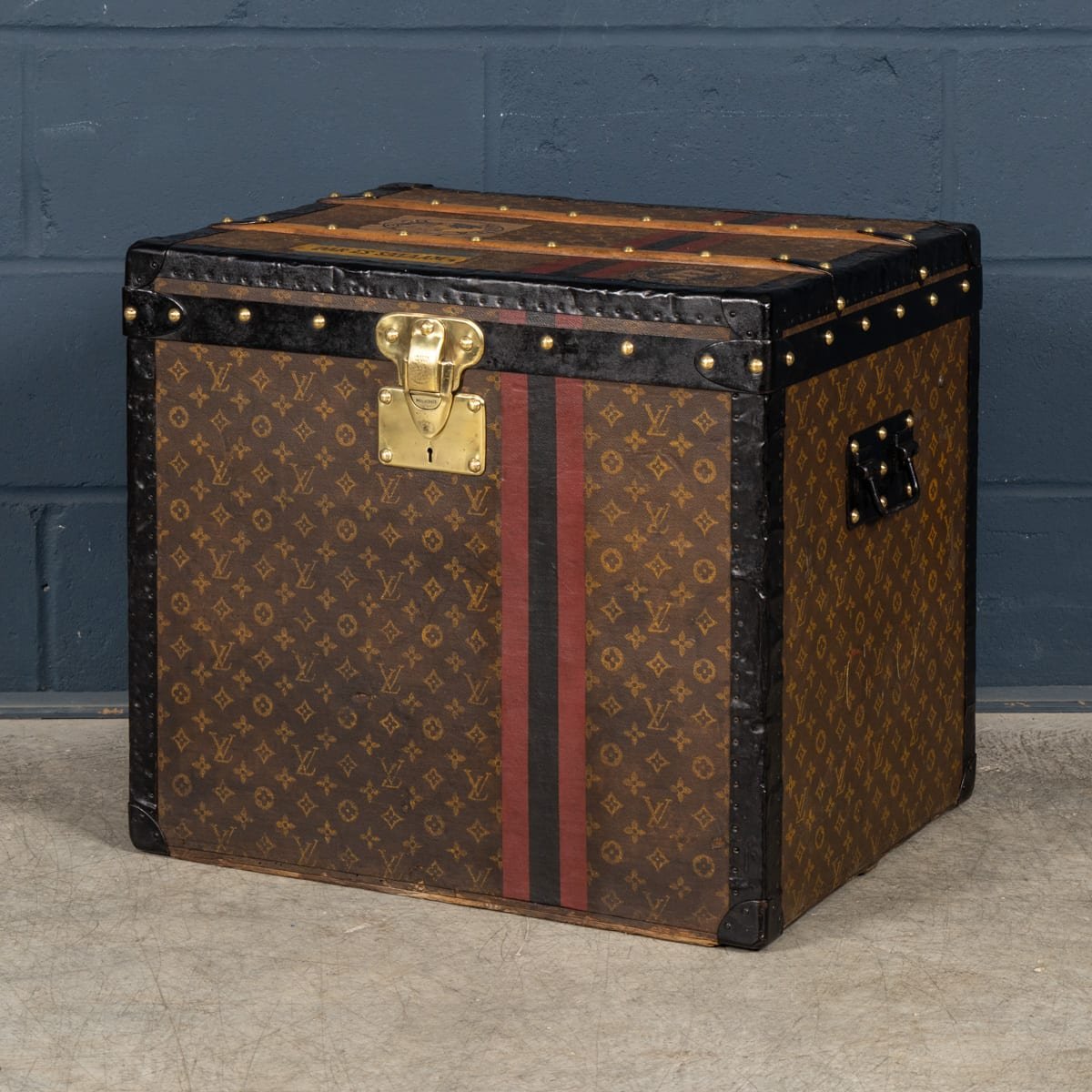
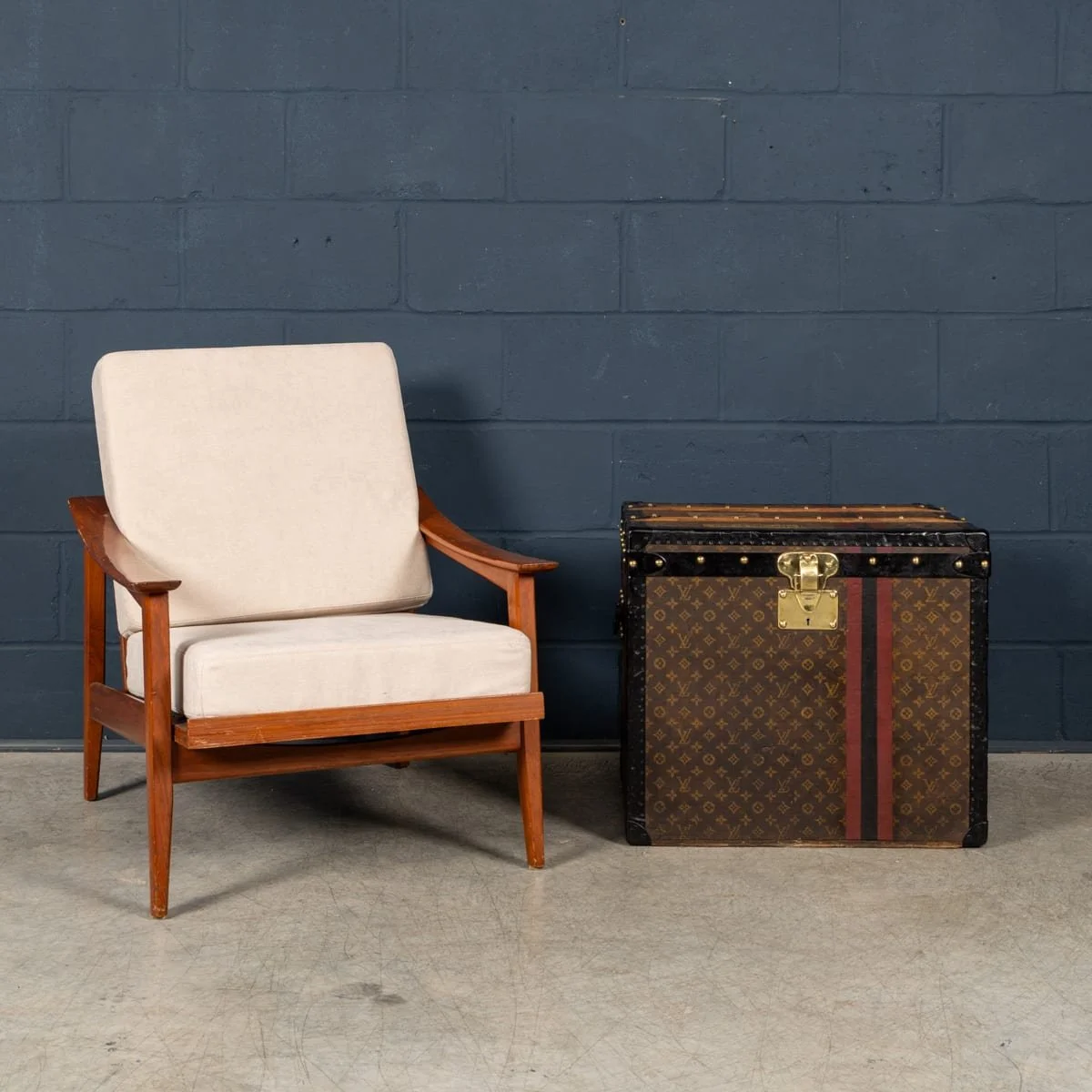
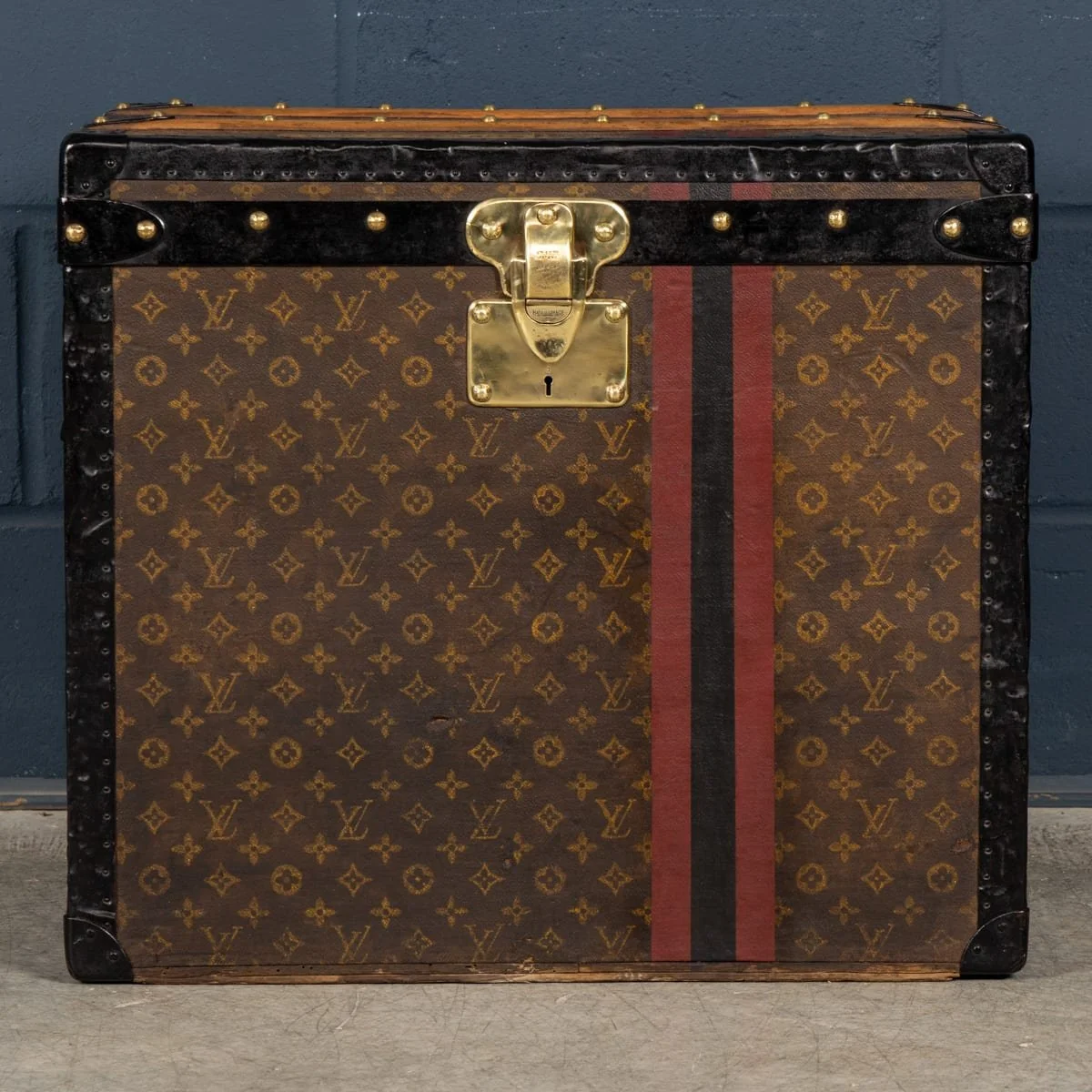
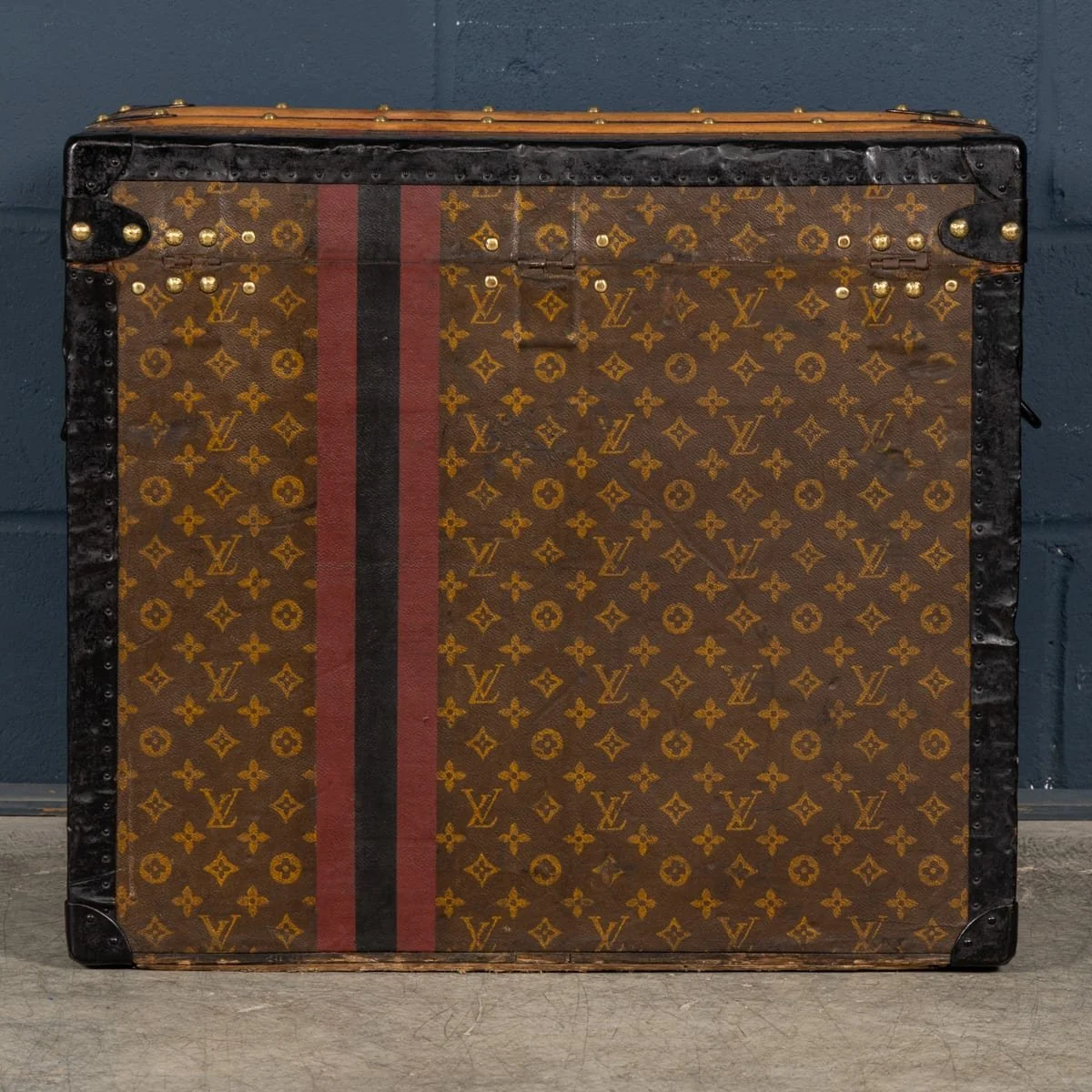
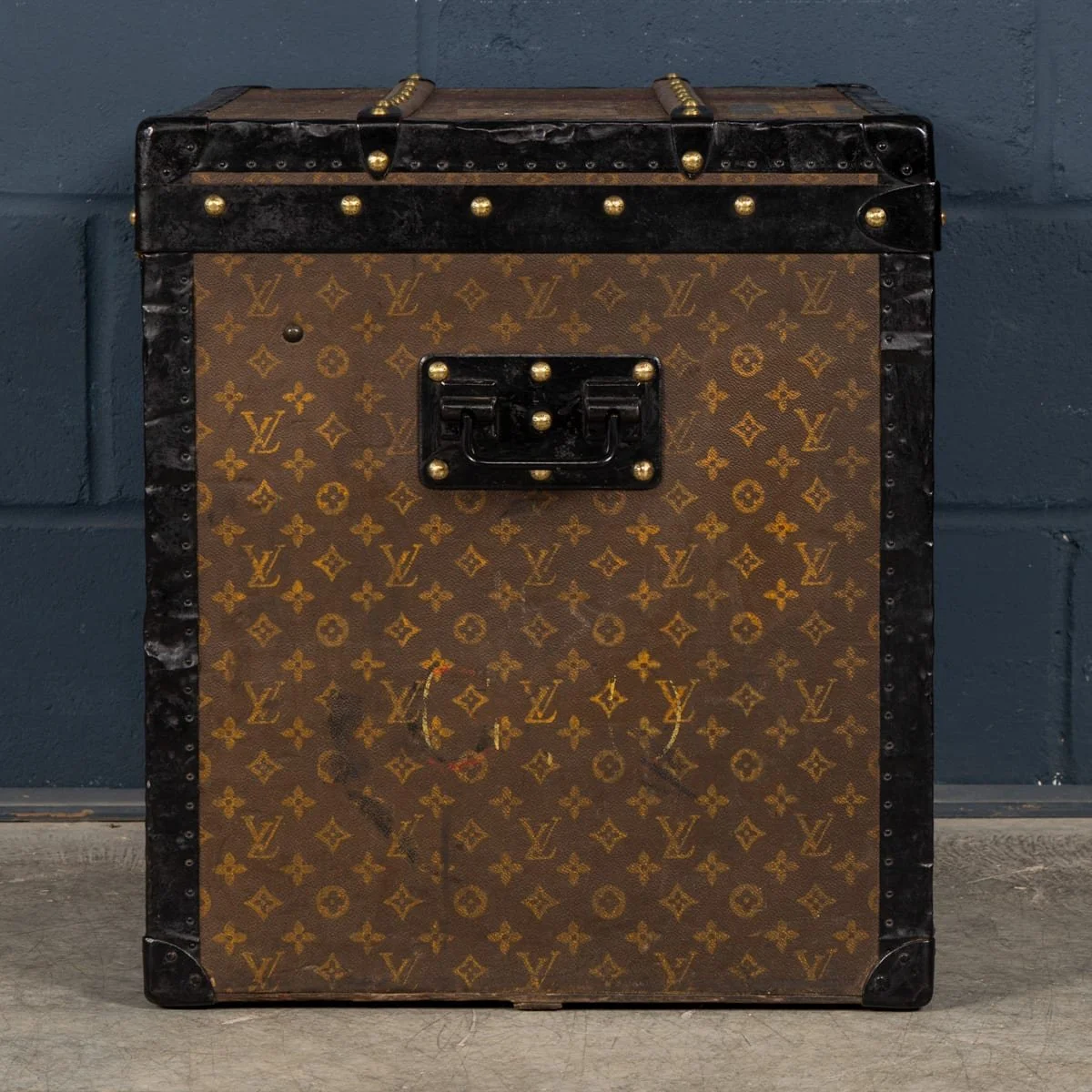
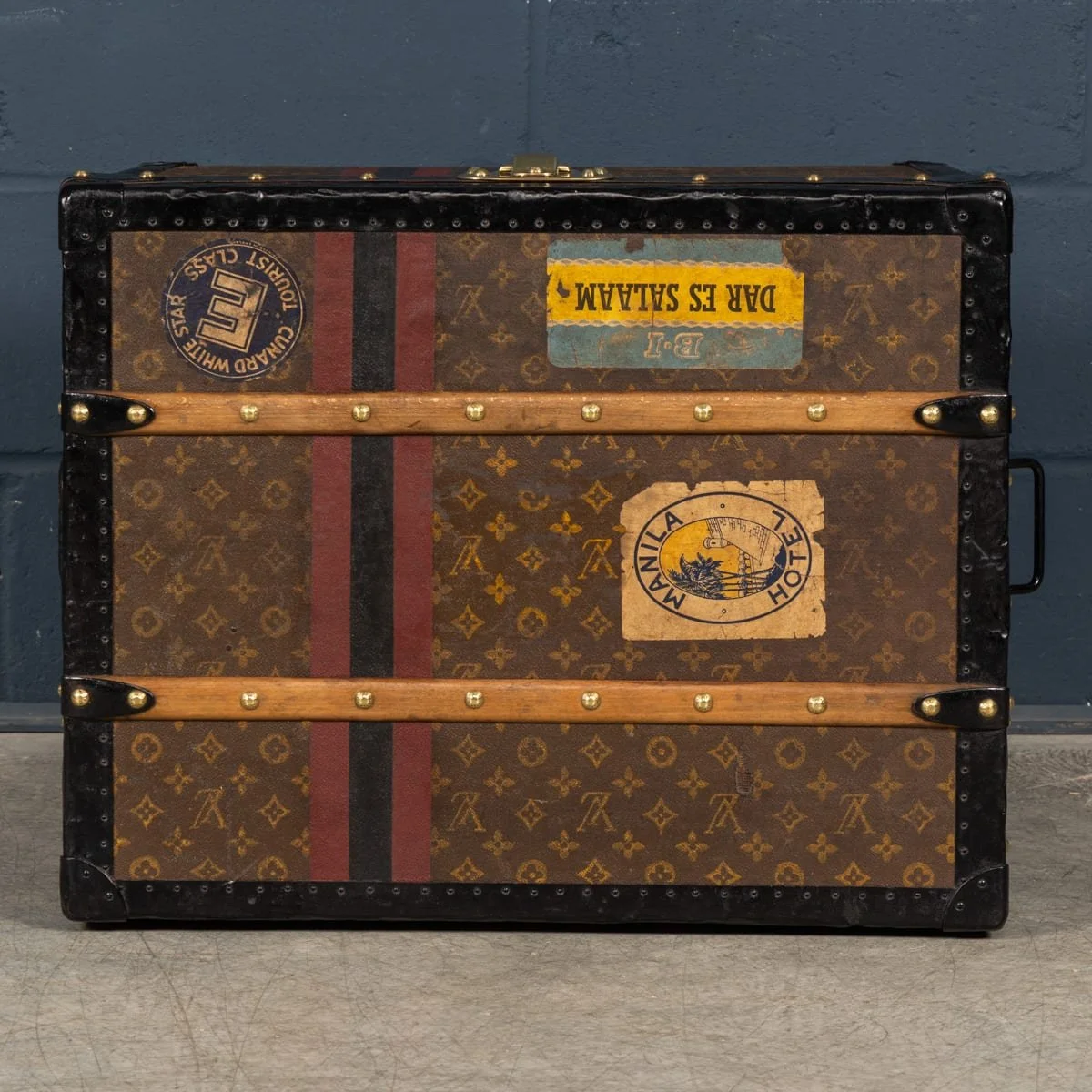
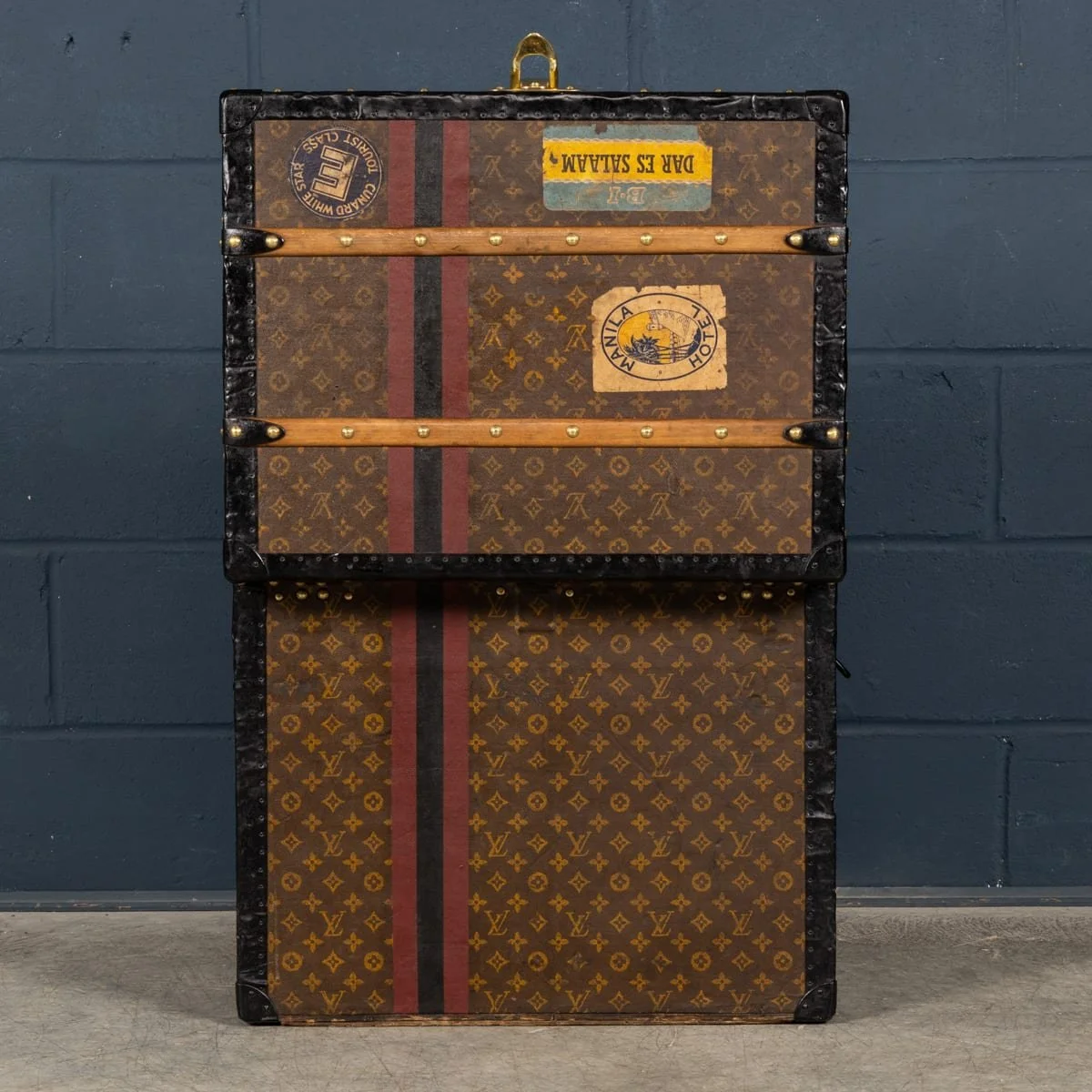
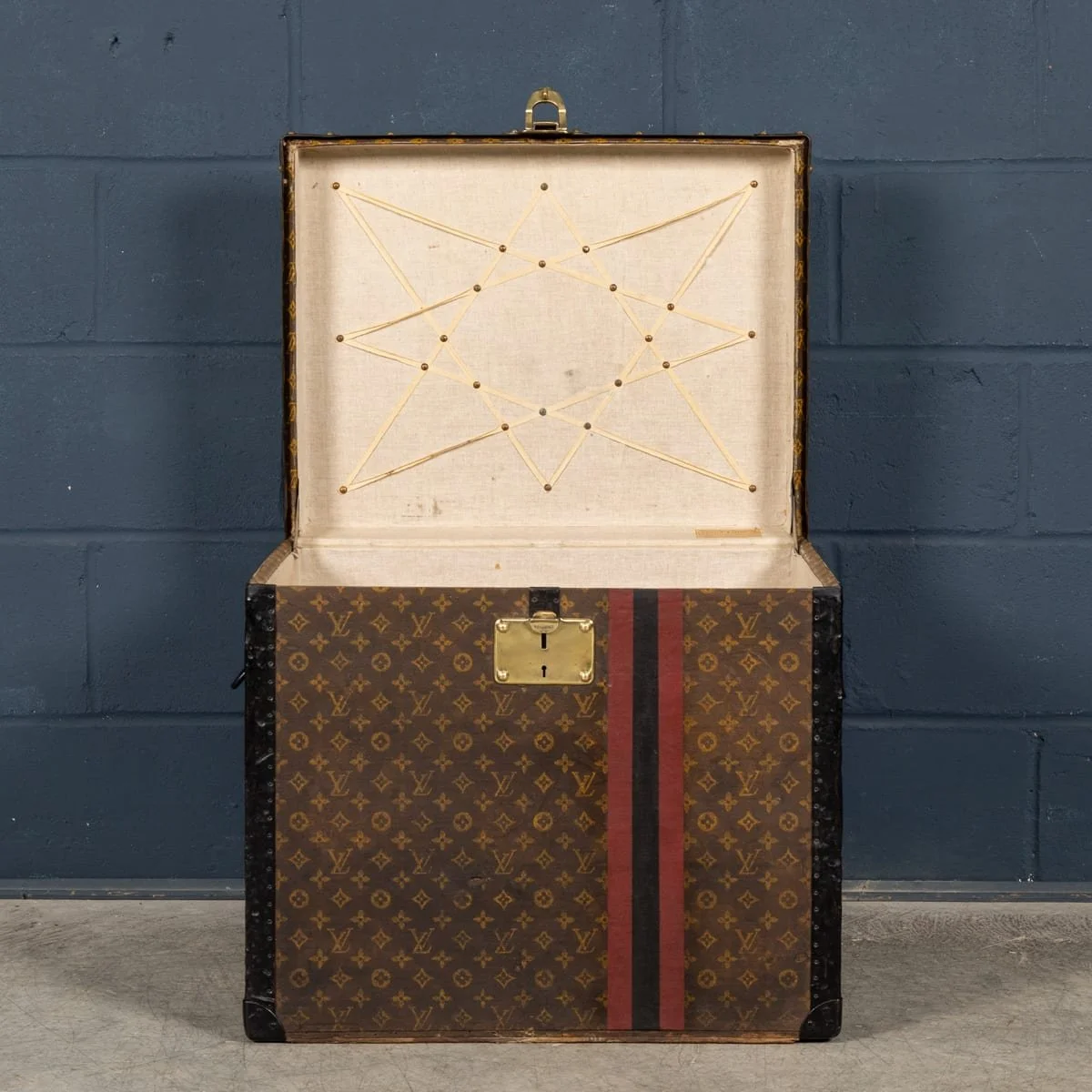
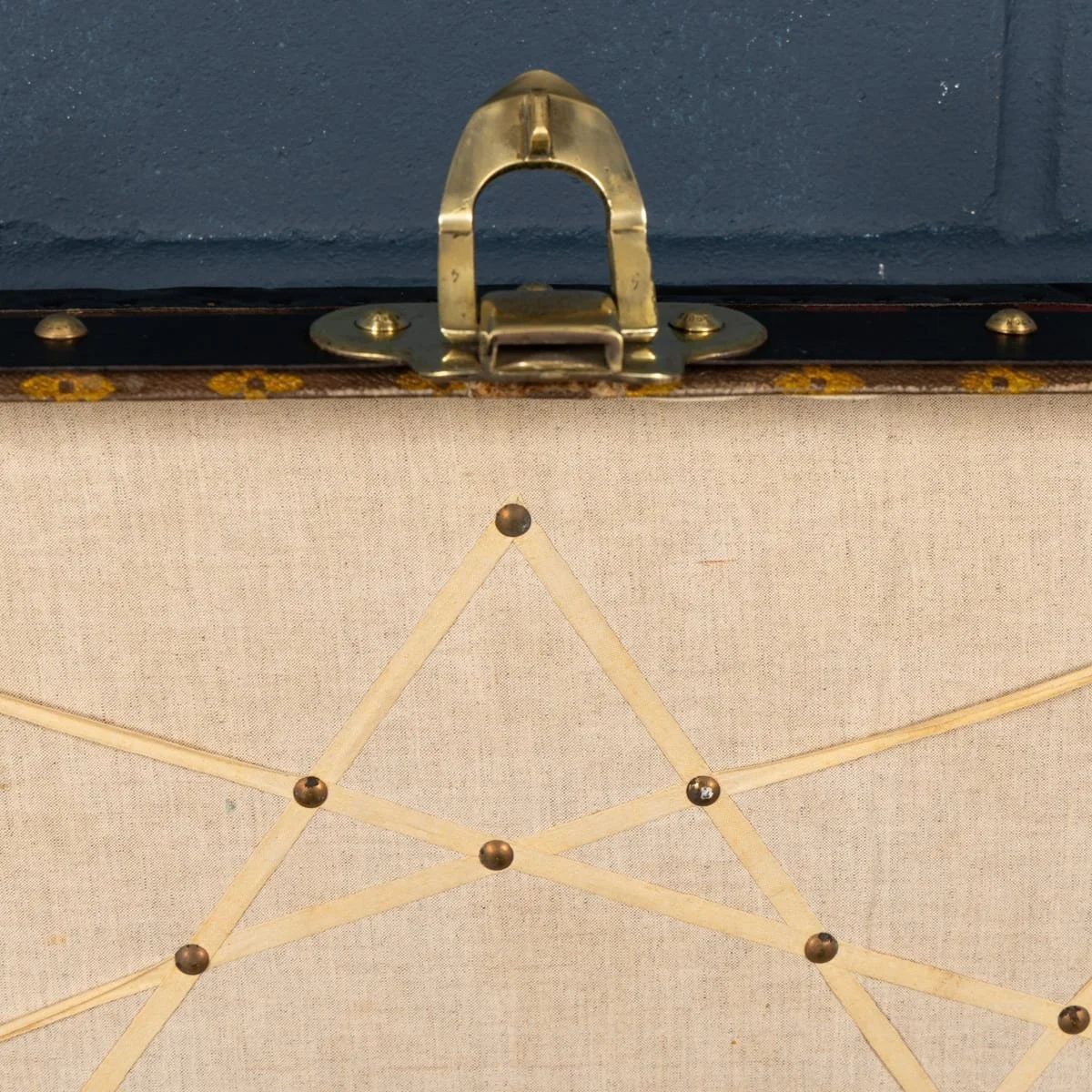
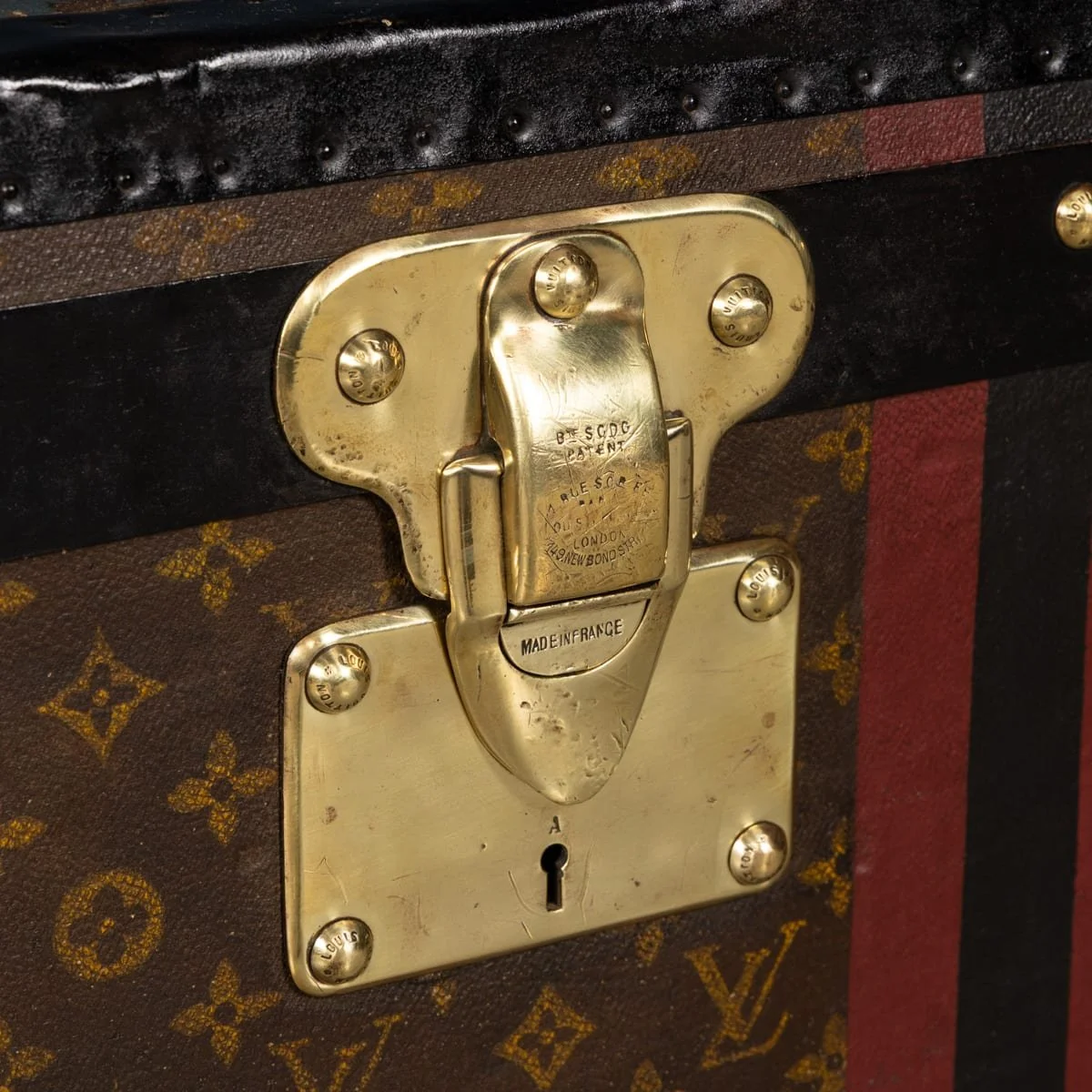
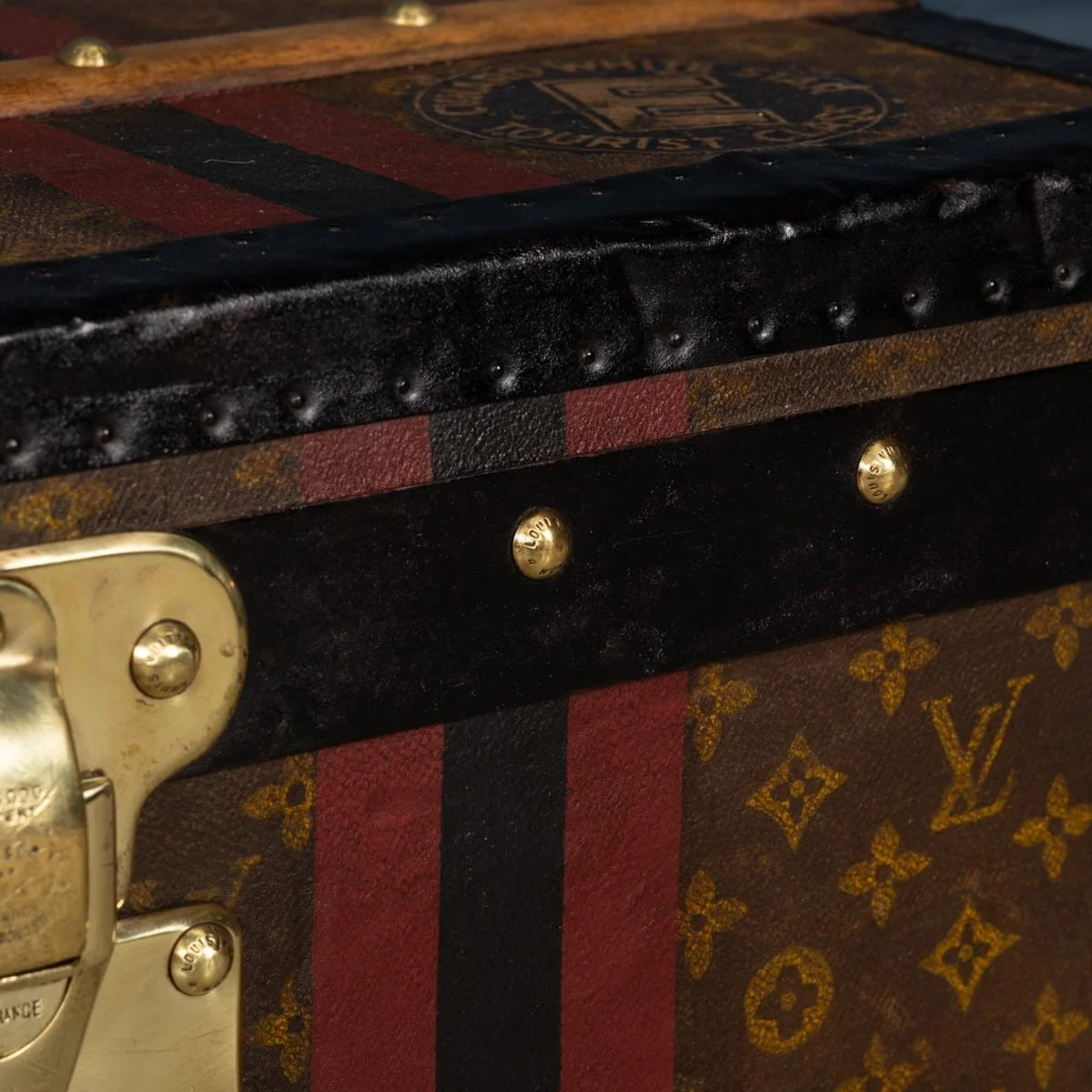
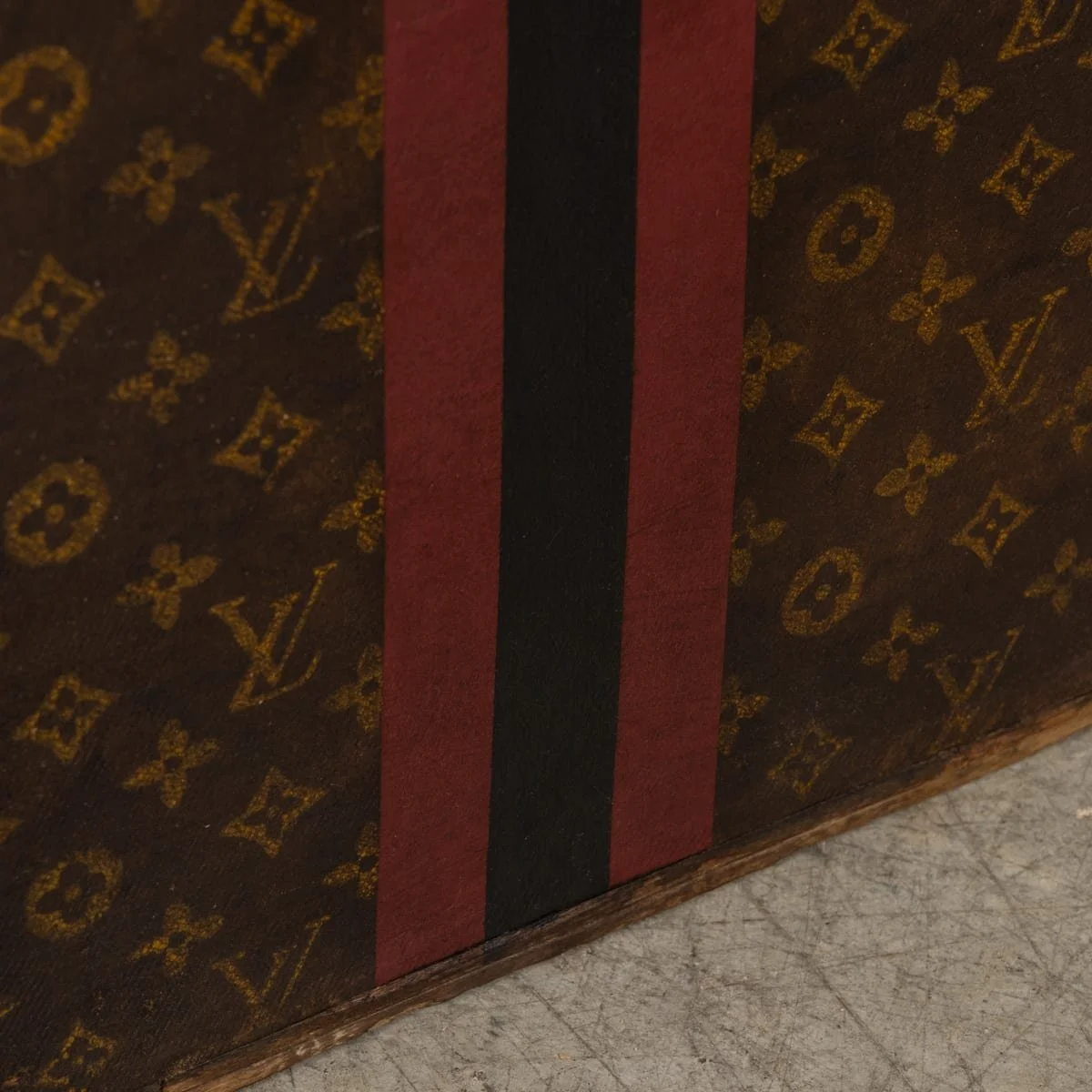
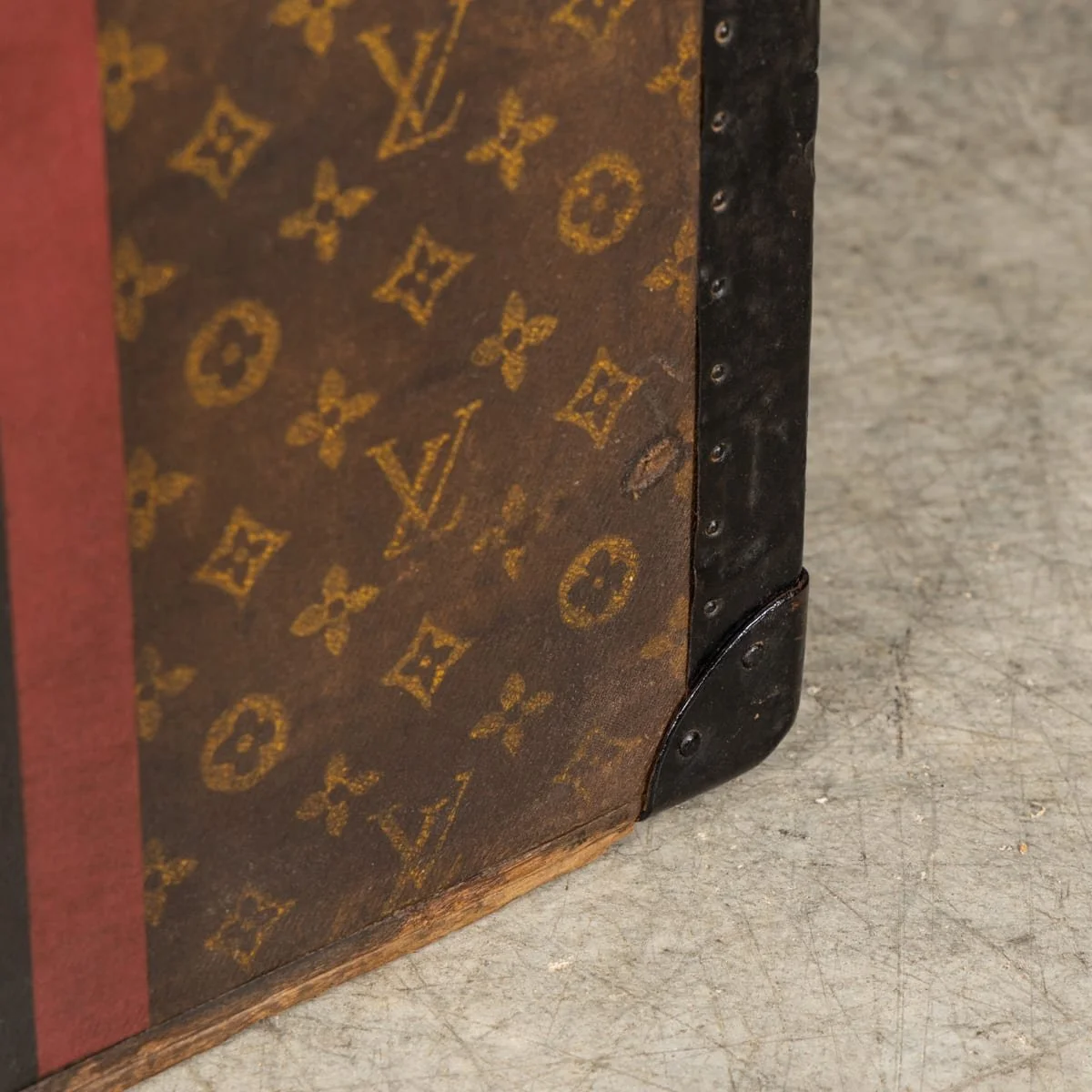
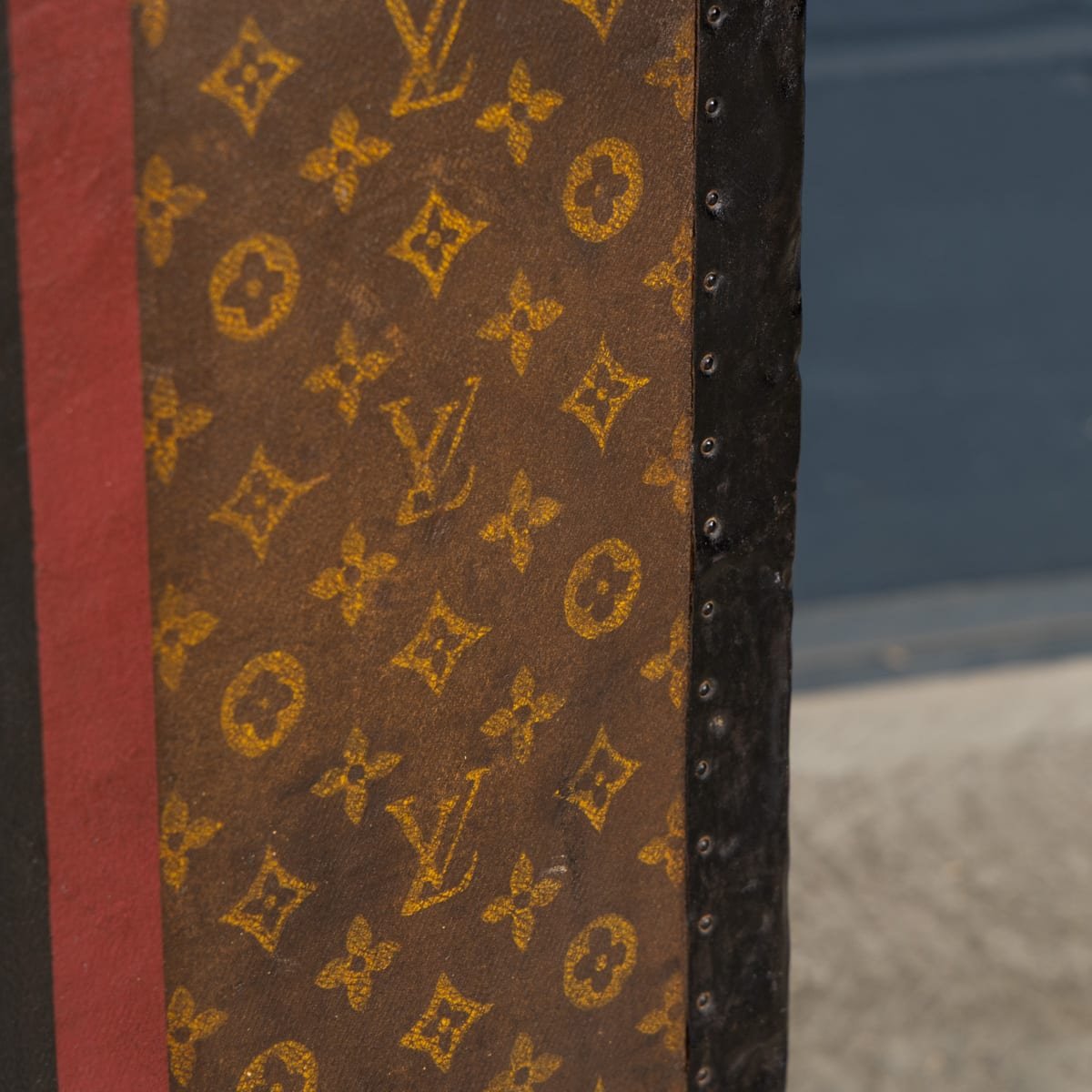
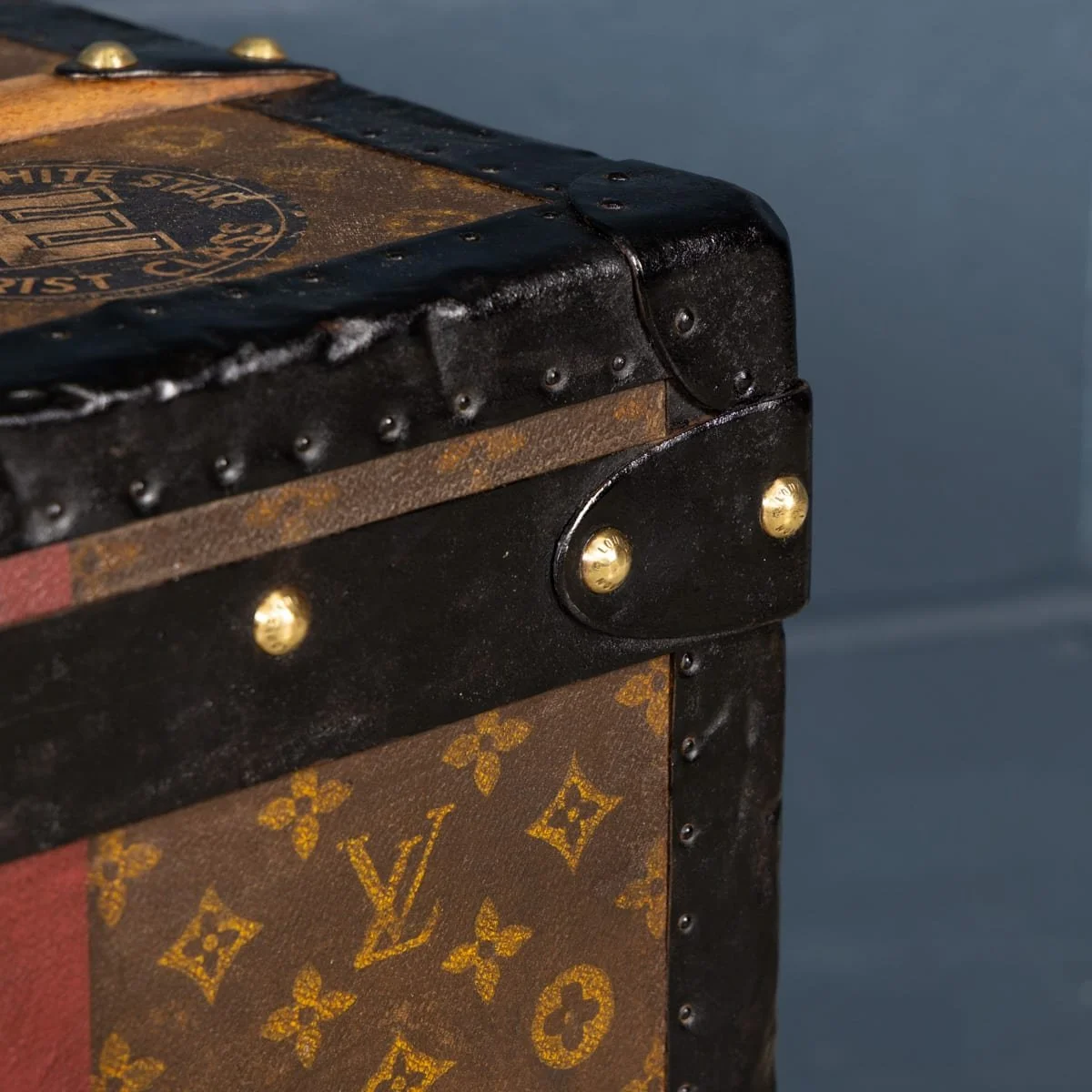
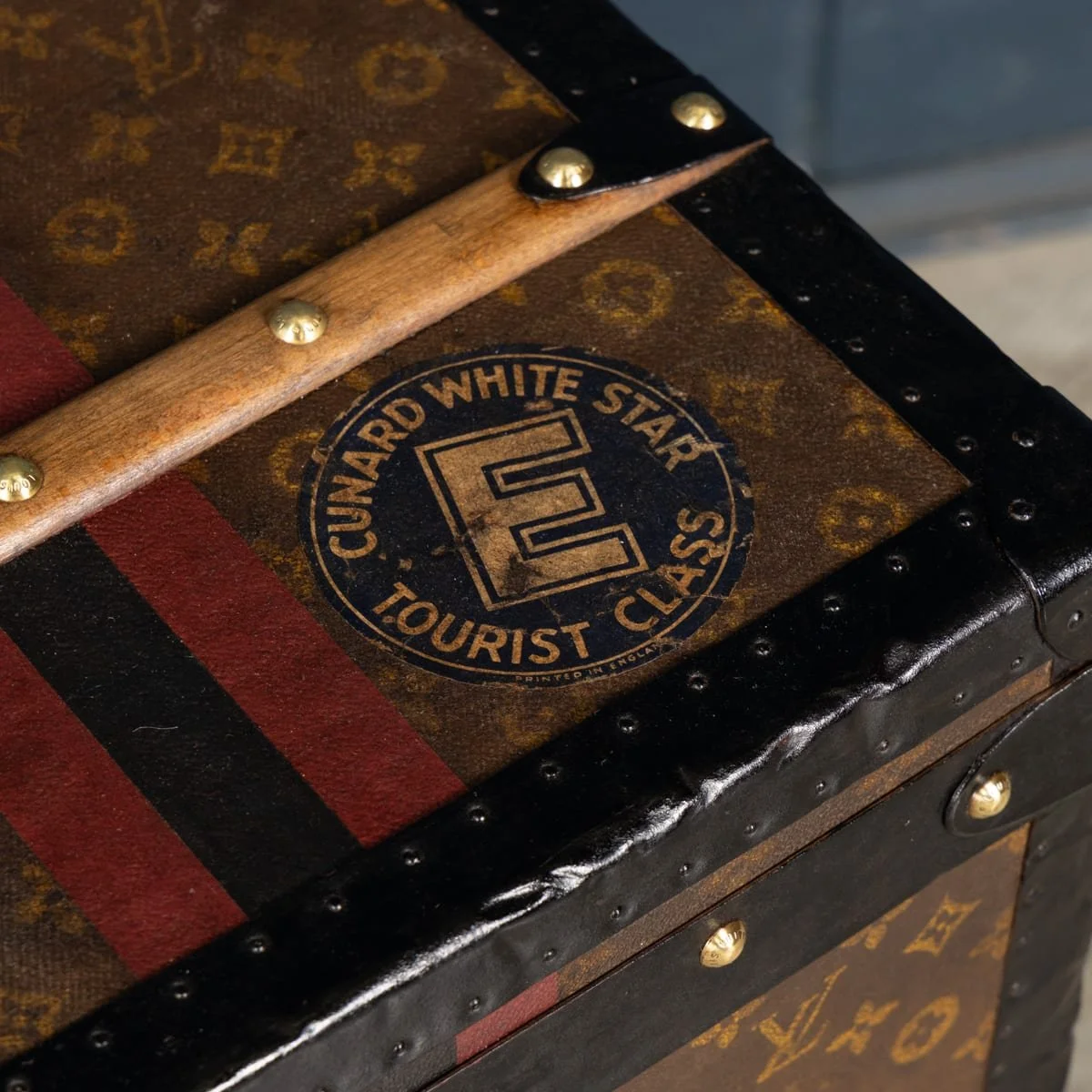
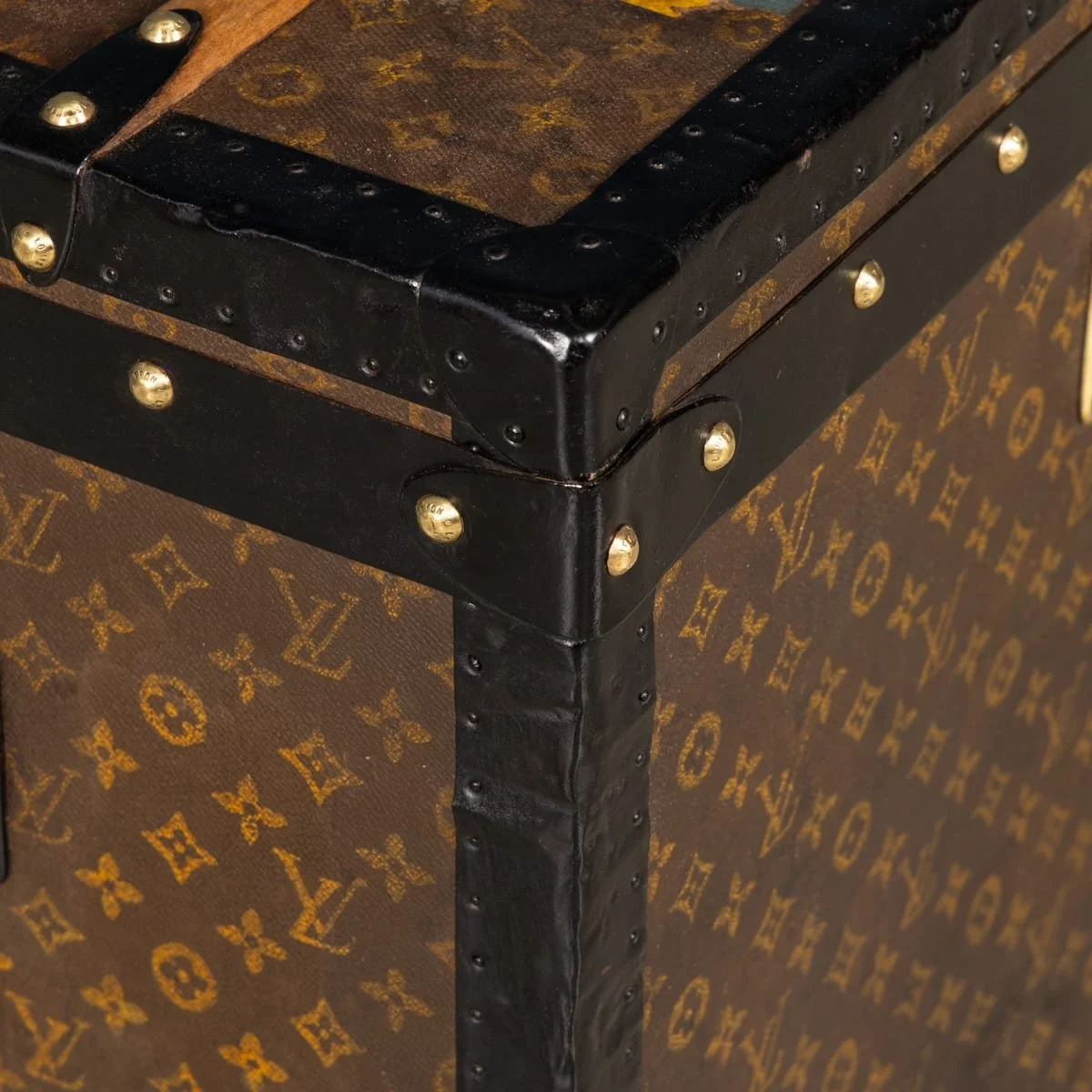
A rare and highly sought-after Louis Vuitton hat trunk dating to circa 1930, crafted in the iconic monogram canvas with vertical leather strengthening bands, brass studs, and original solid brass lock and fittings. The proportions and upright form distinguish this example from standard steamer trunks, designed specifically for the safe transport of hats and delicate millinery during travel.
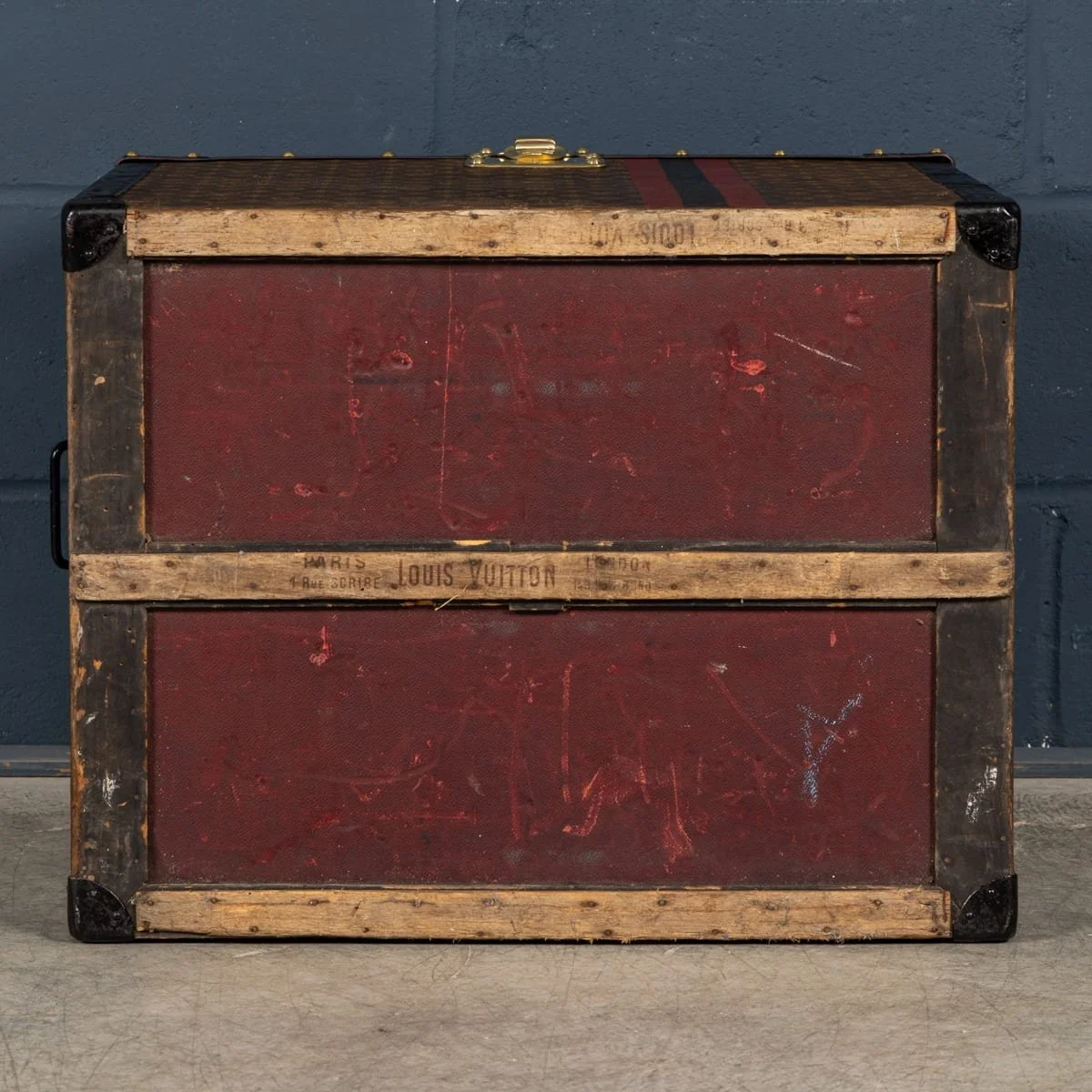
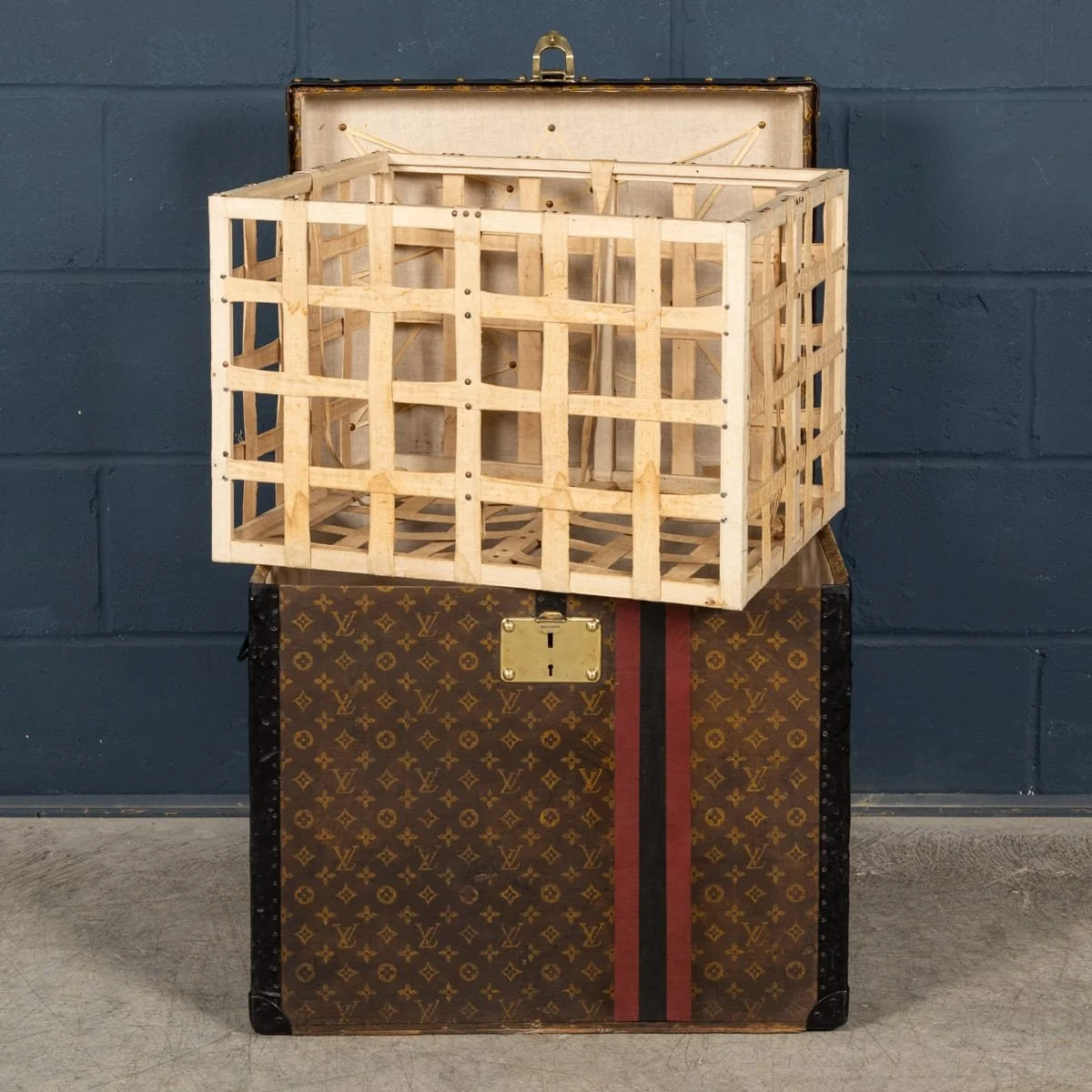
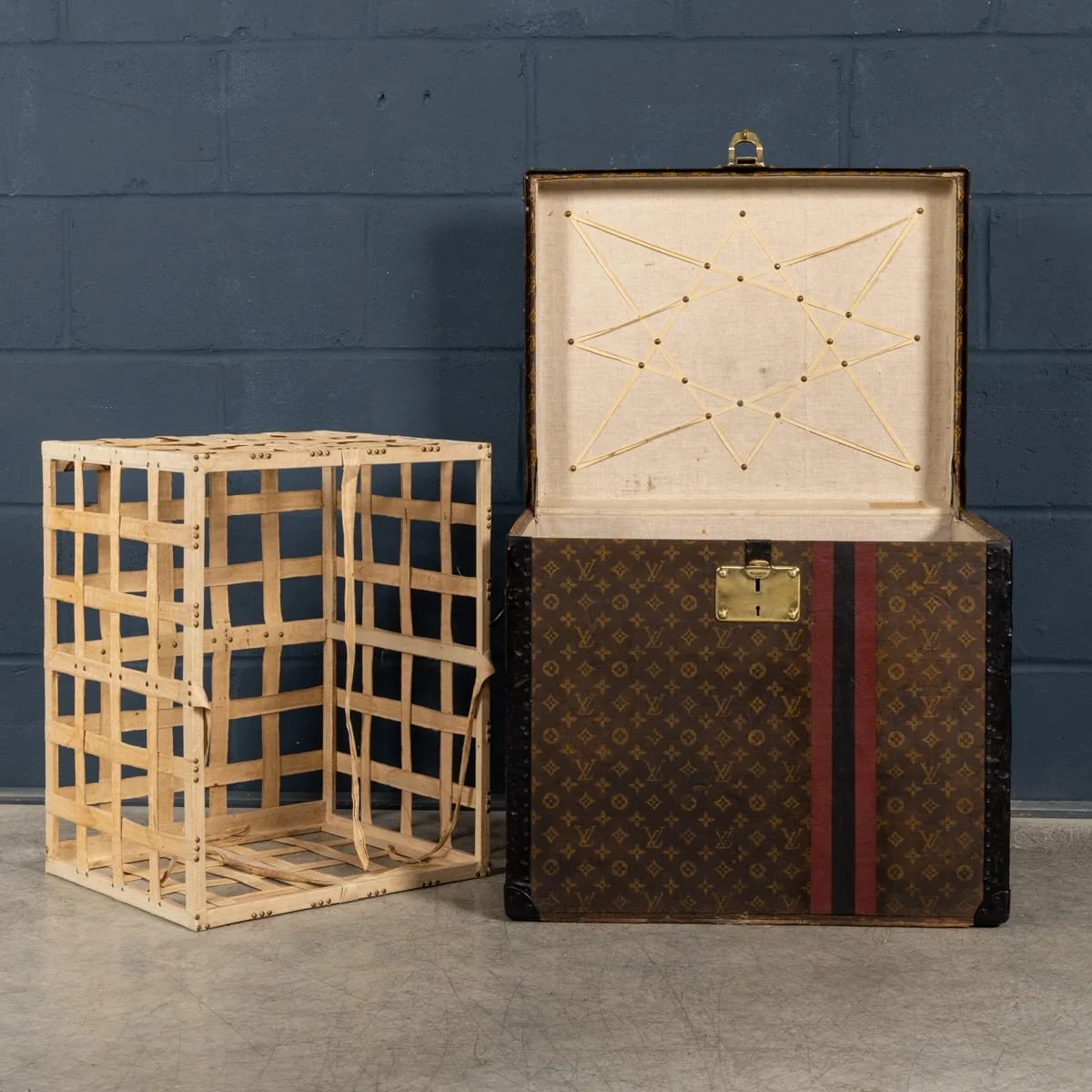
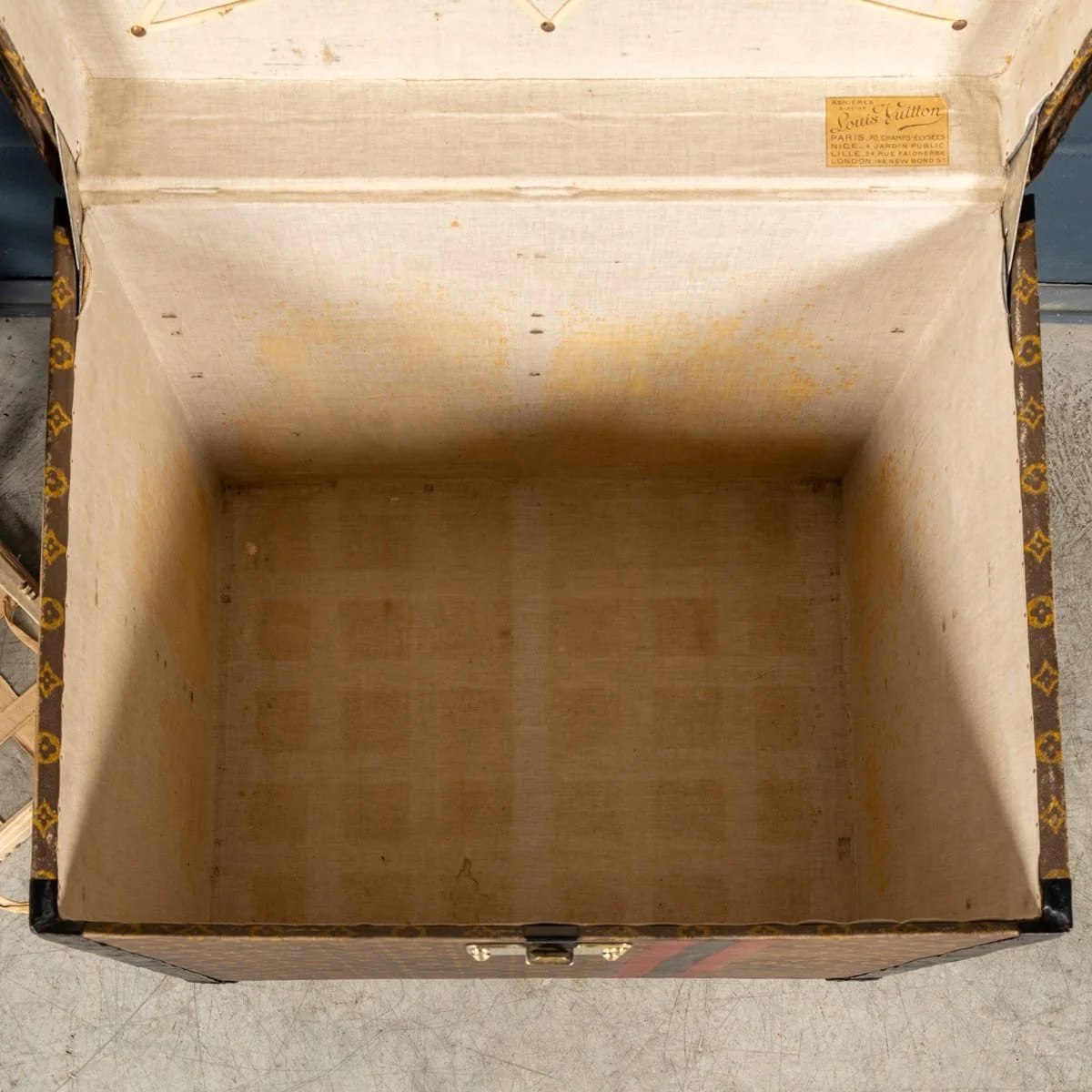
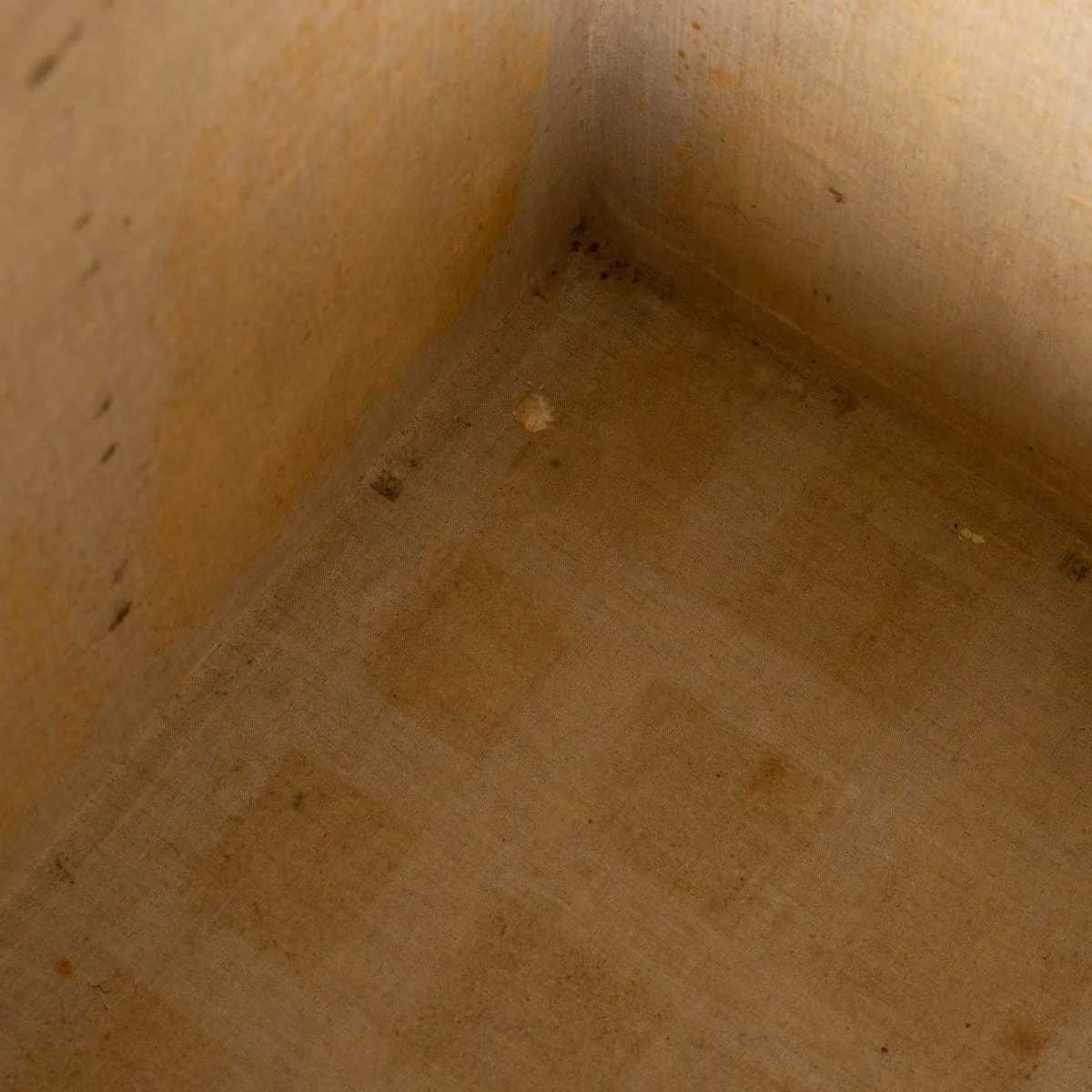
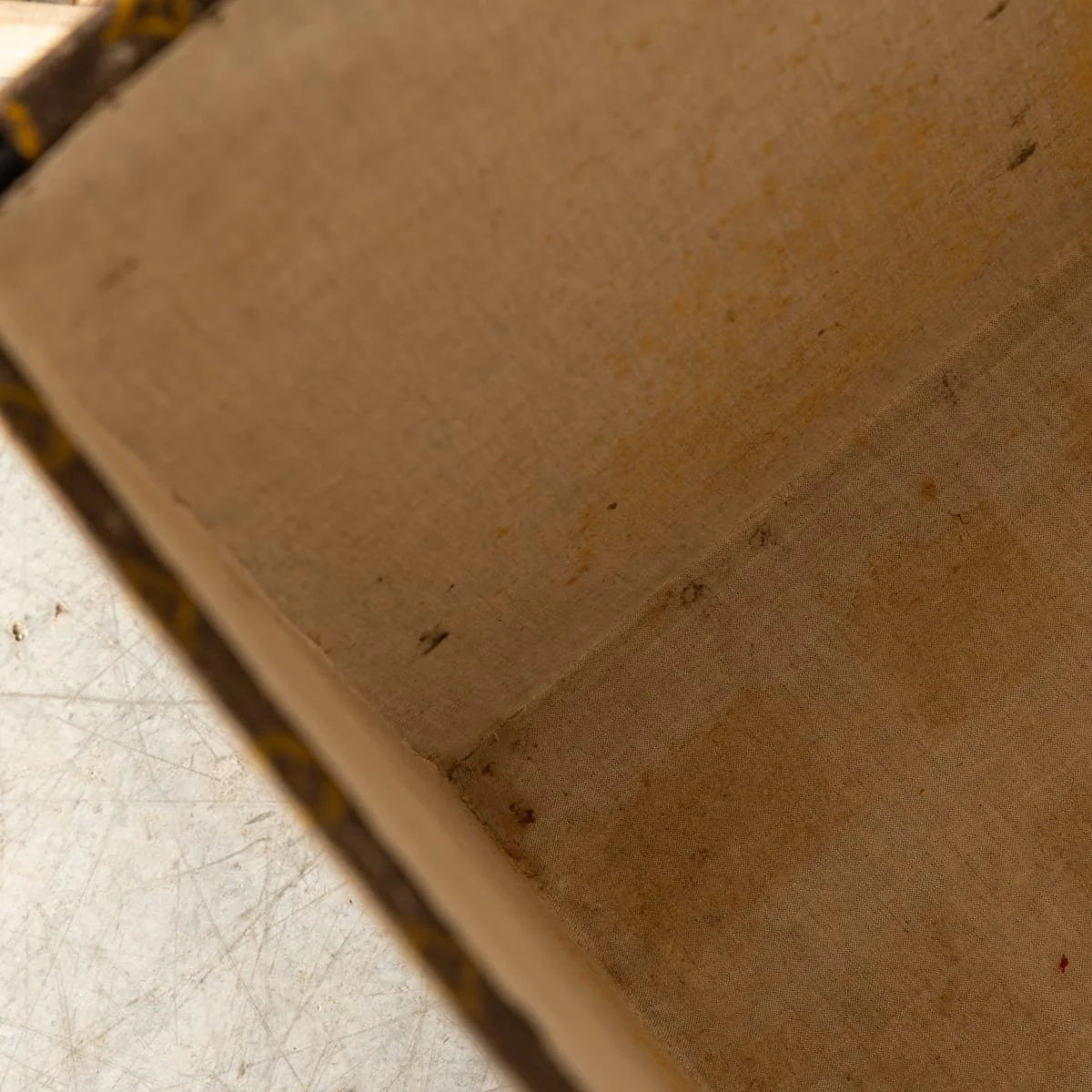
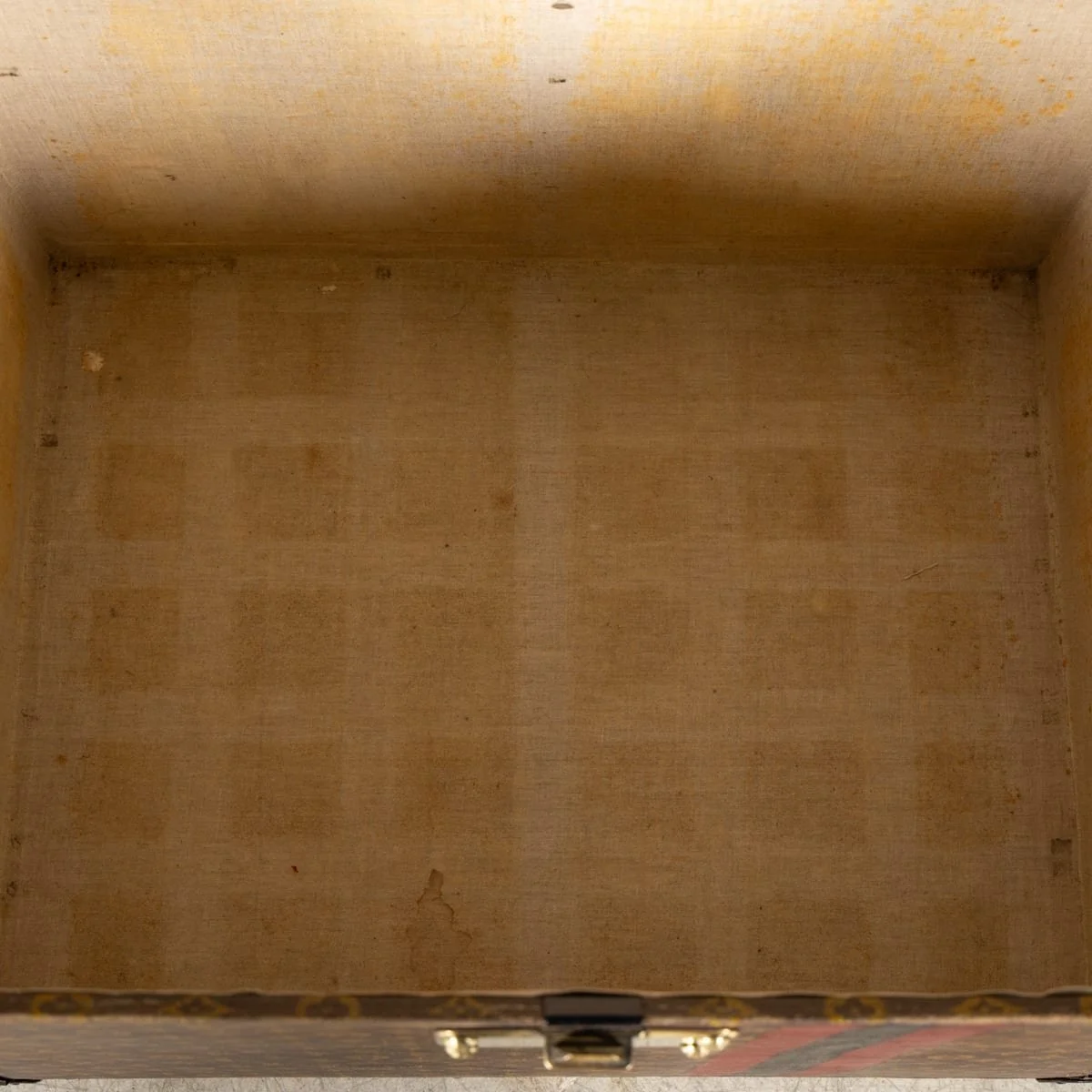
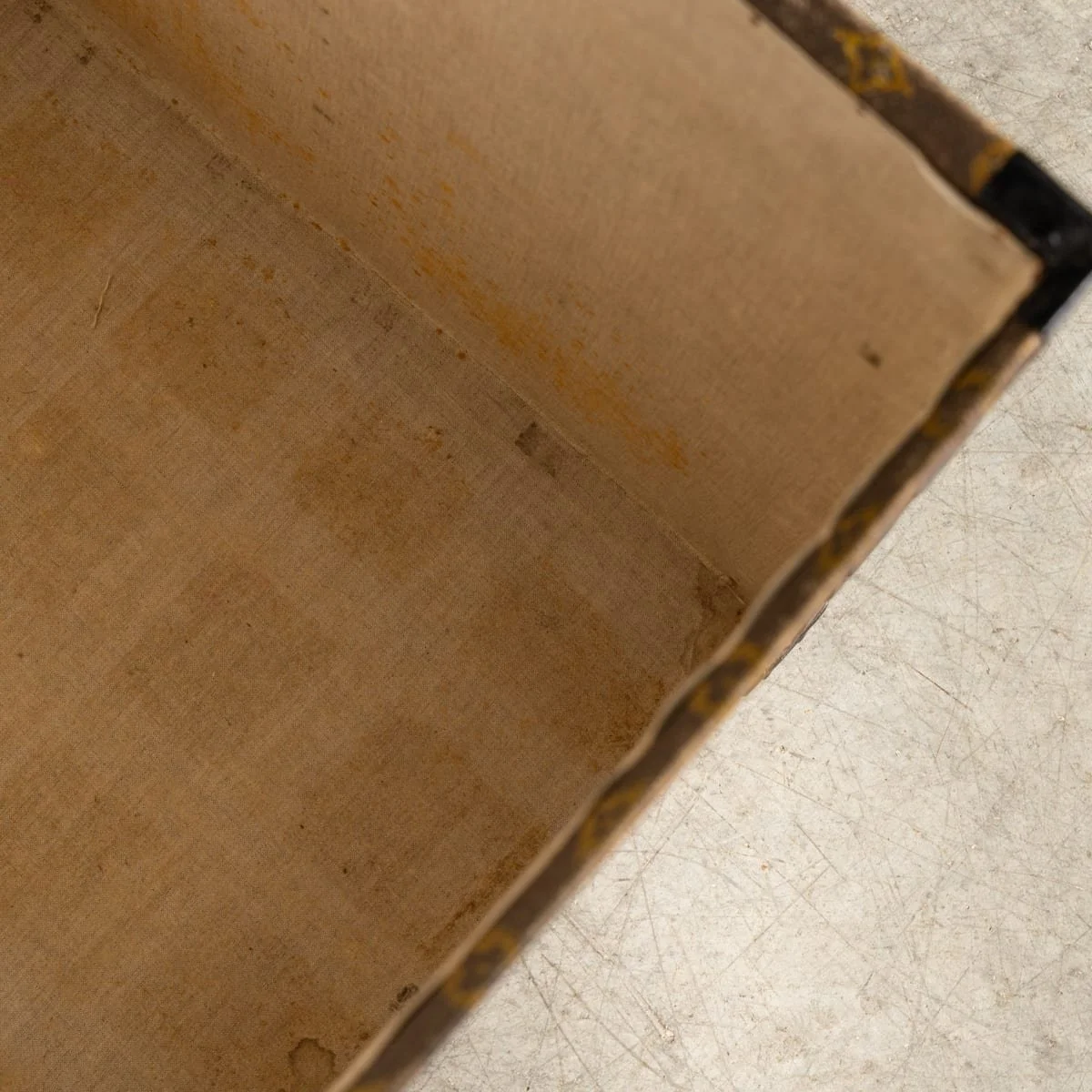
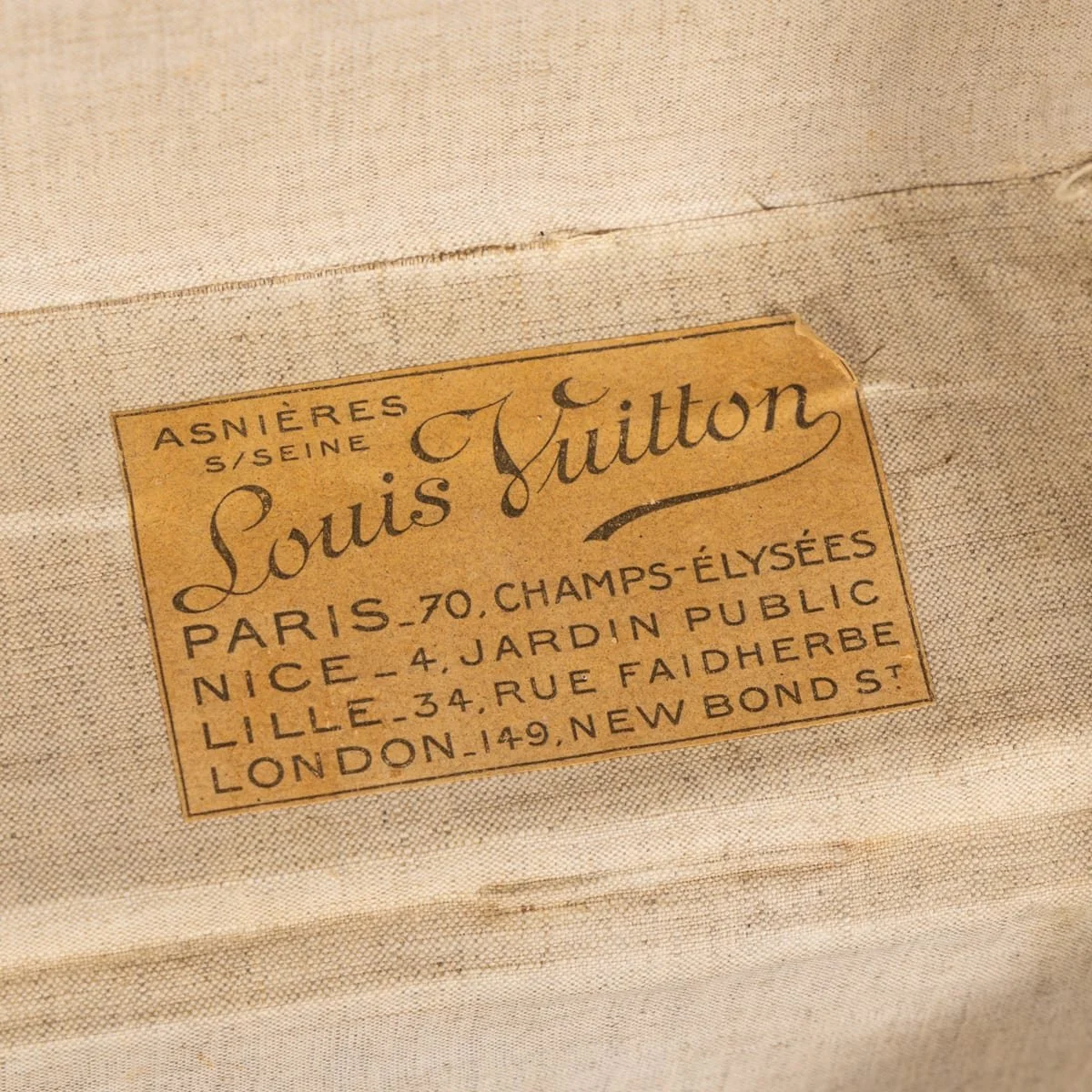
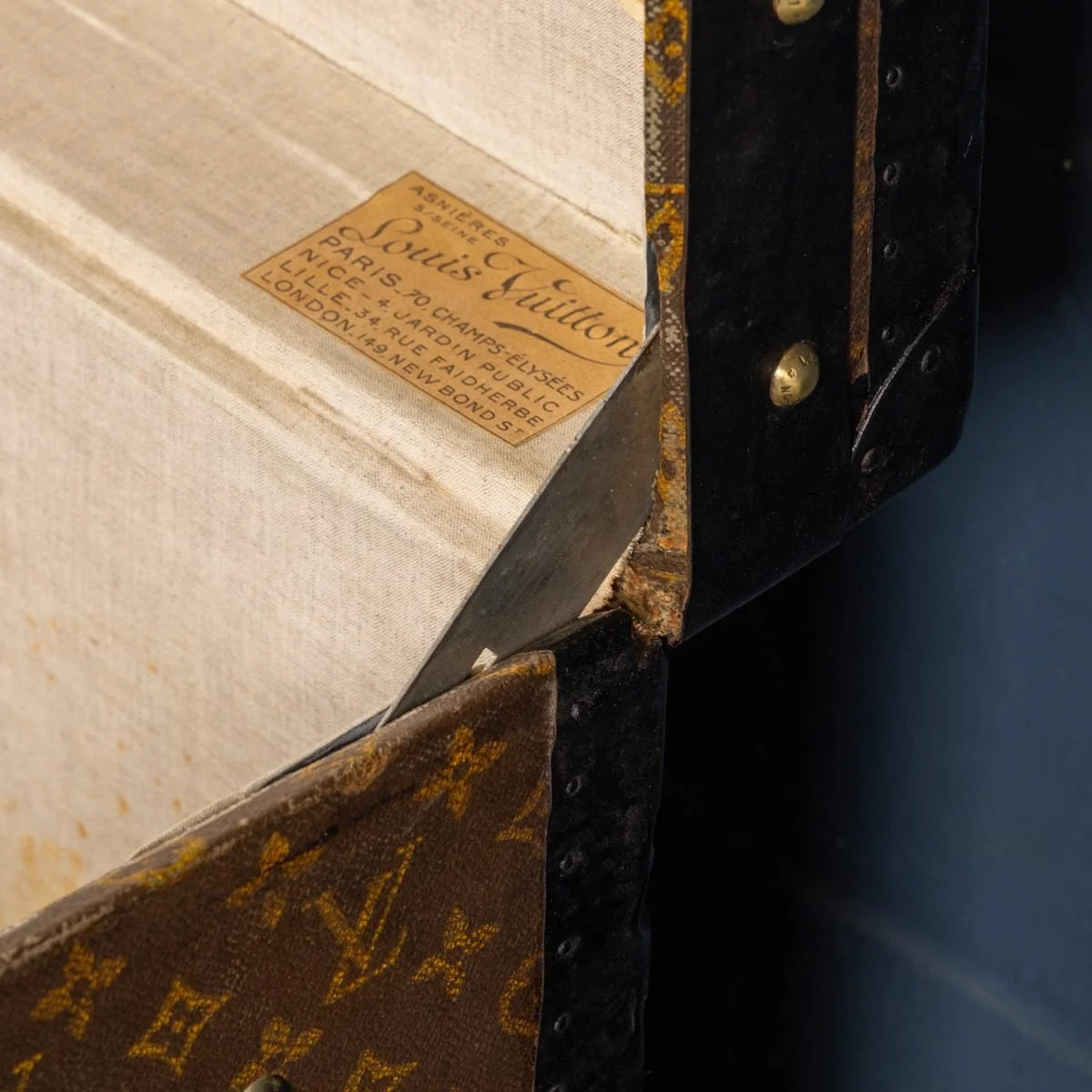
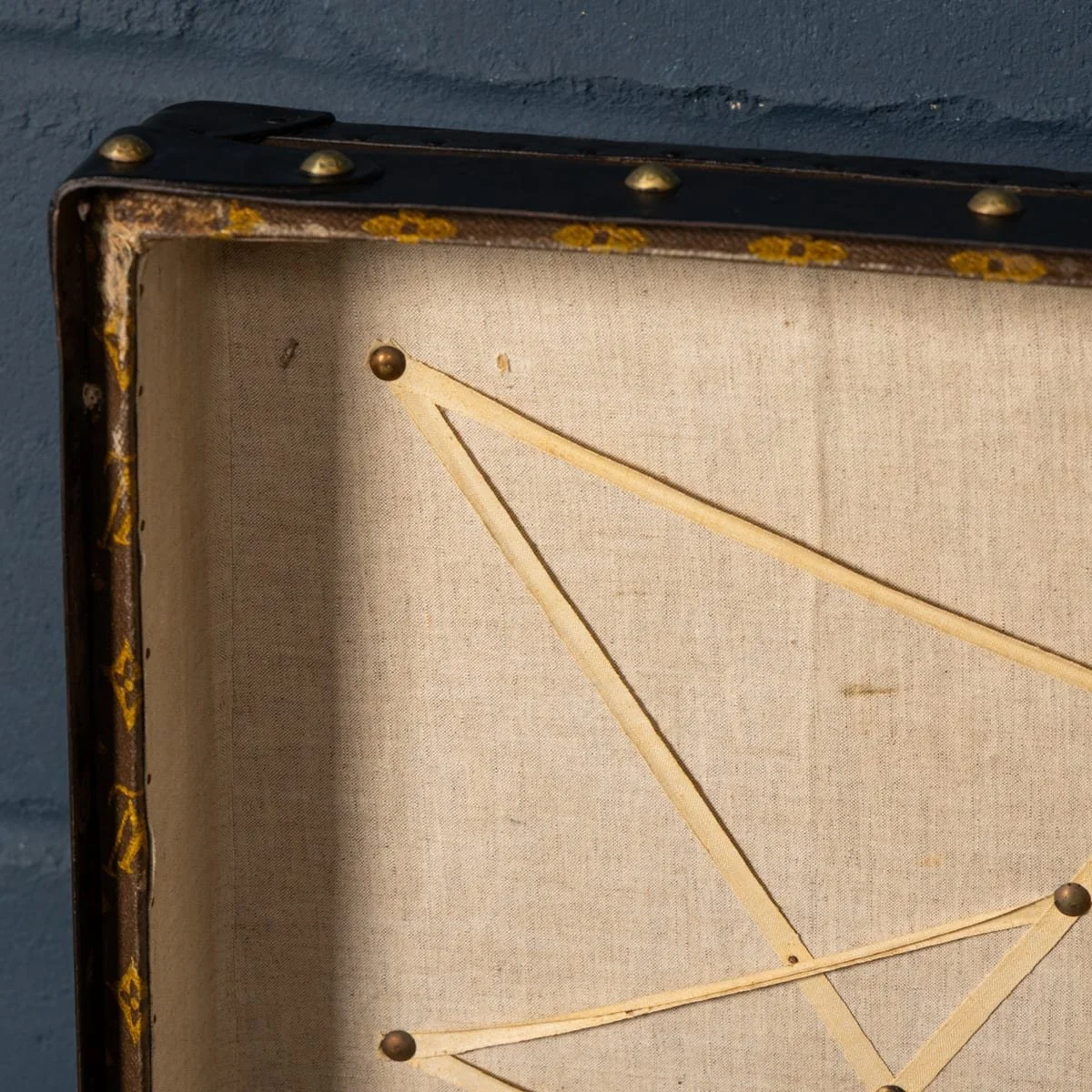
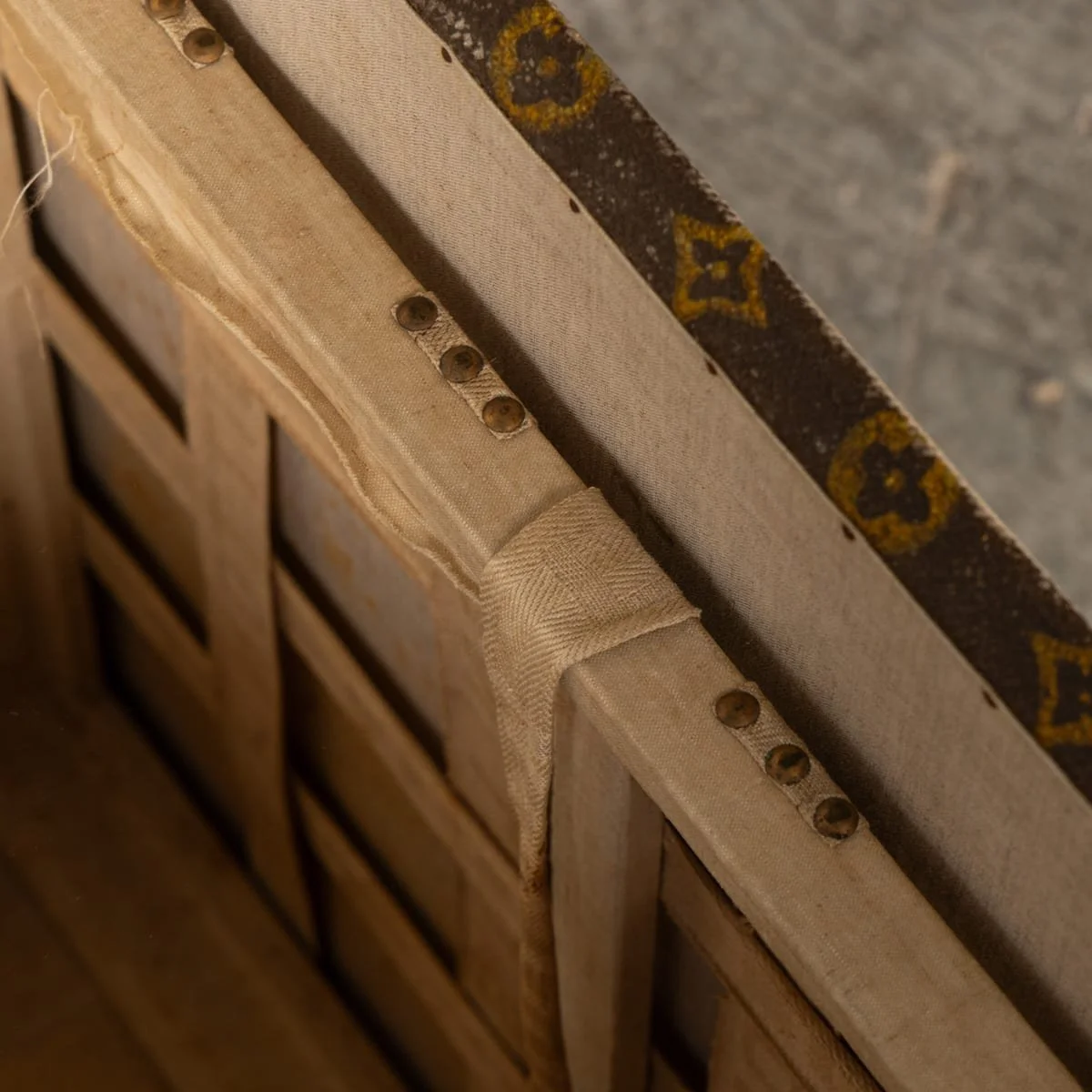
The interior is particularly noteworthy, retaining its original fitted compartmentalised tray, designed to hold and protect multiple hats. The quilted lid lining, original straps, and maker’s label for Louis Vuitton Paris remain present, reinforcing the authenticity and quality of the piece. The ingenious removable lattice tray system exemplifies Vuitton’s dedication to both practicality and luxury, allowing for careful organisation and protection of contents.
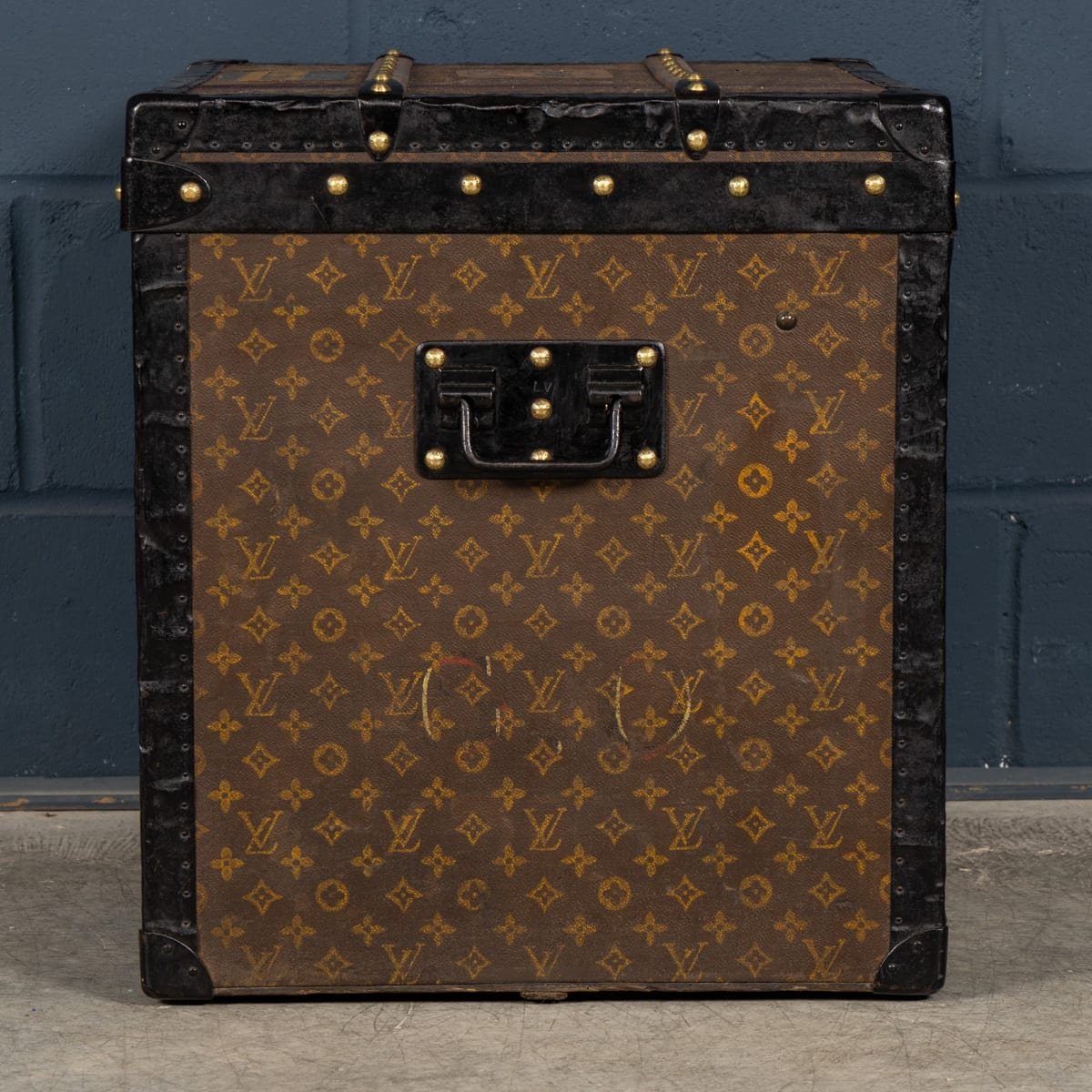
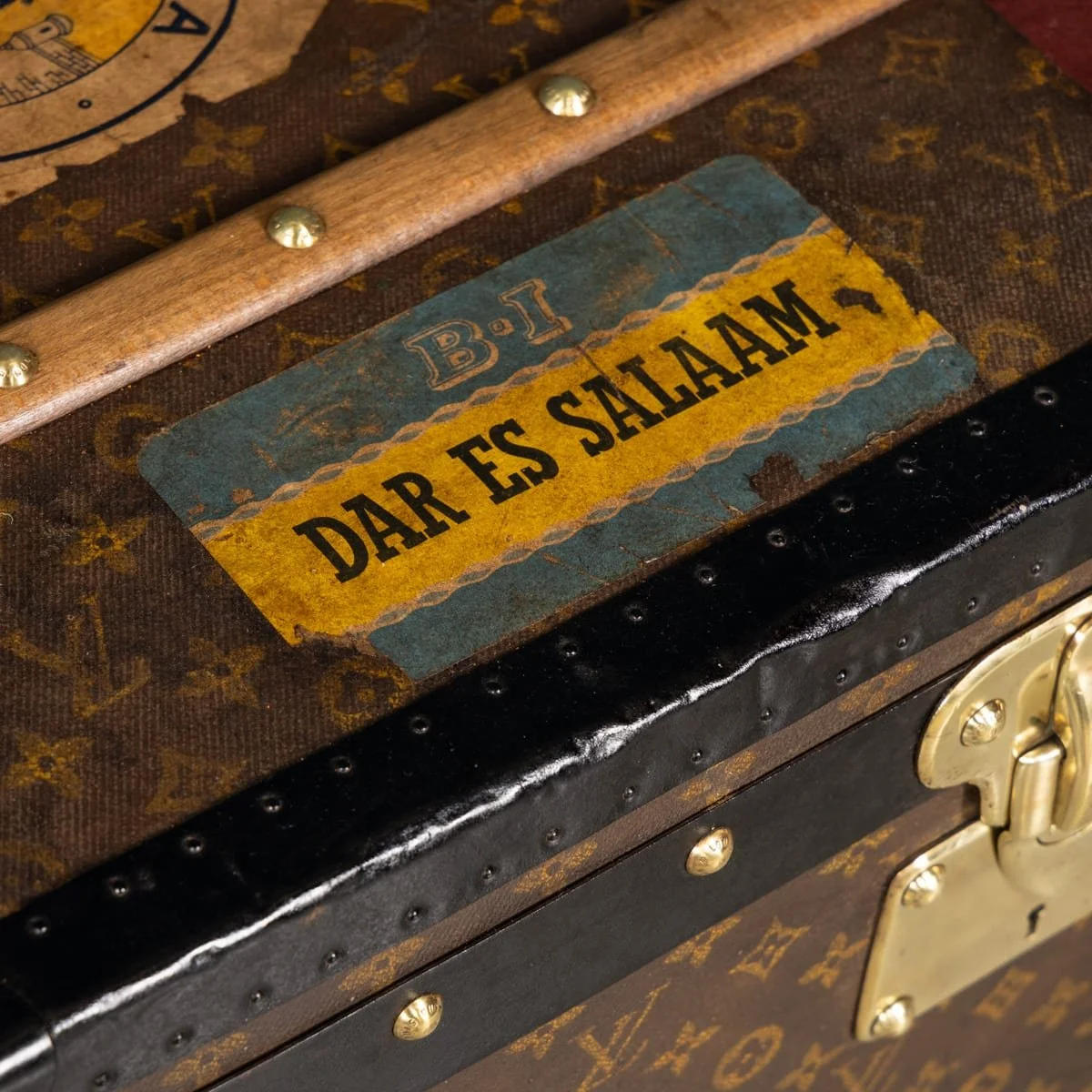
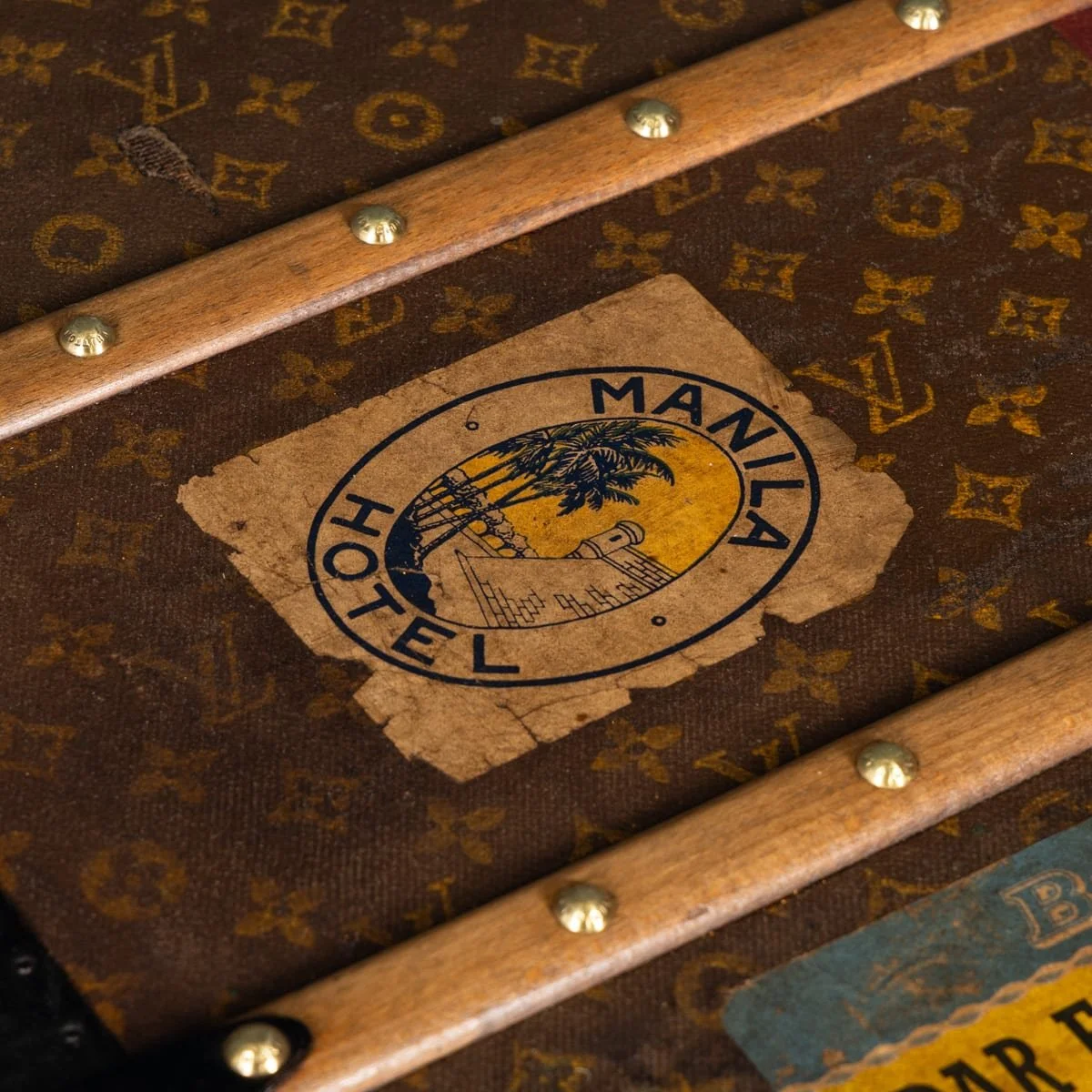
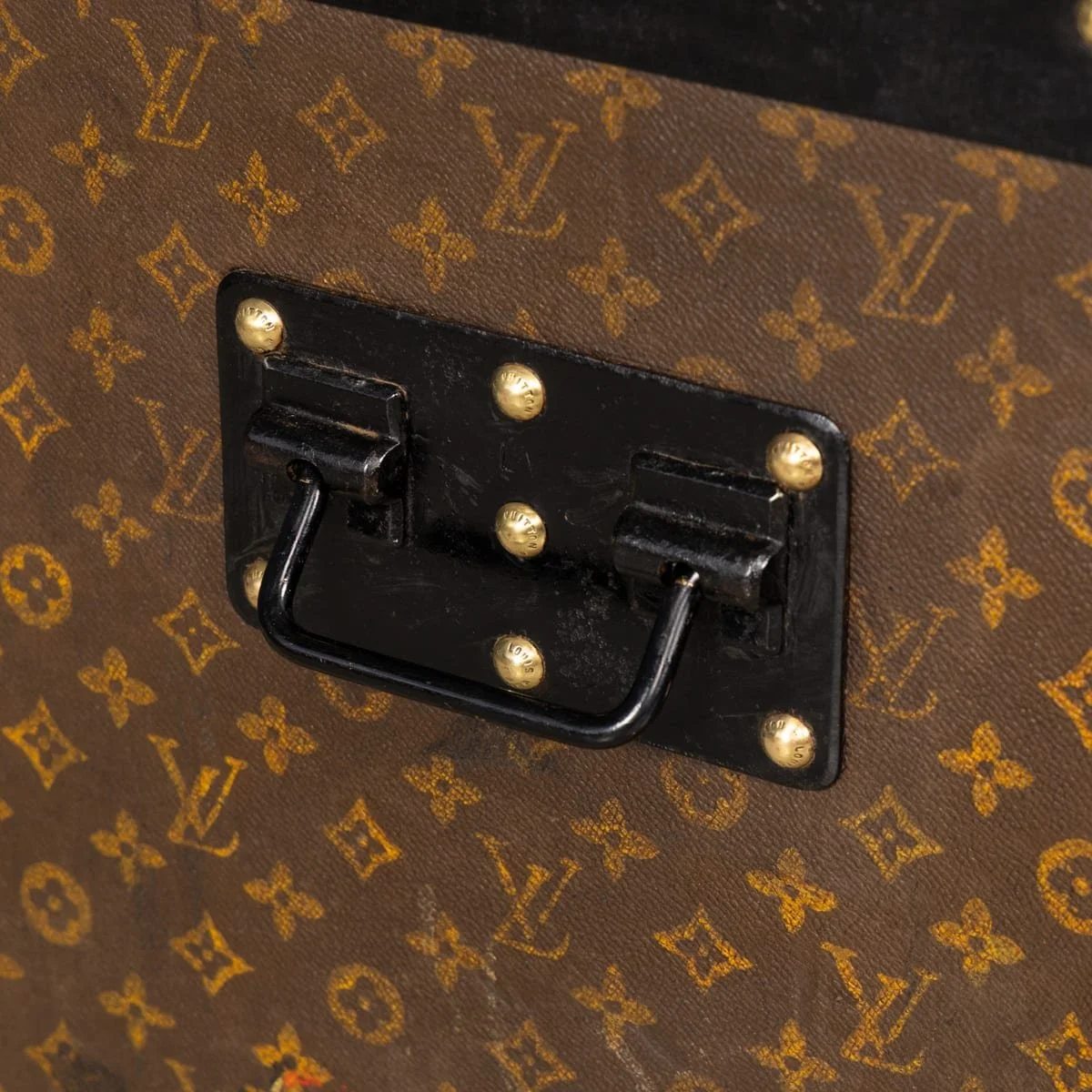
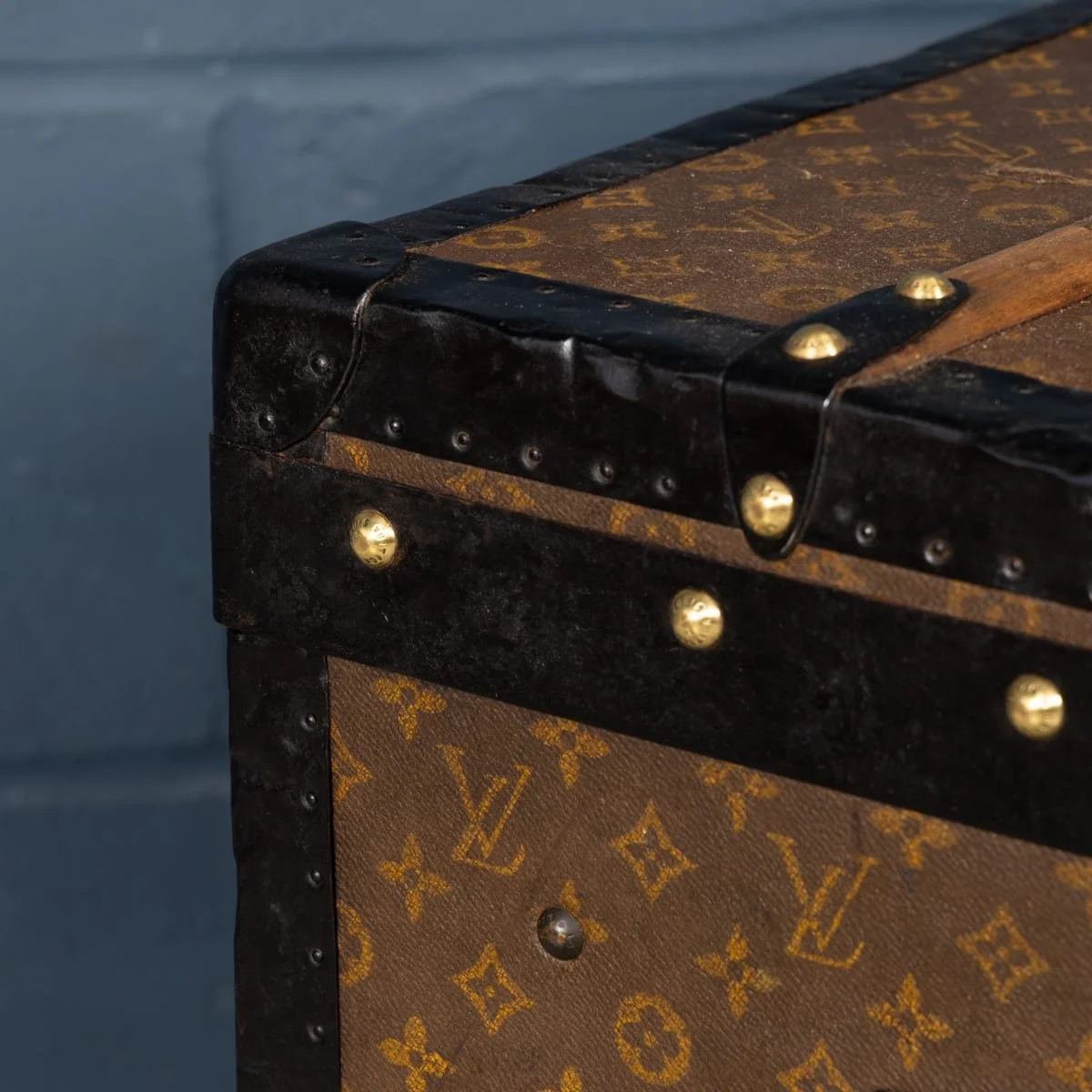
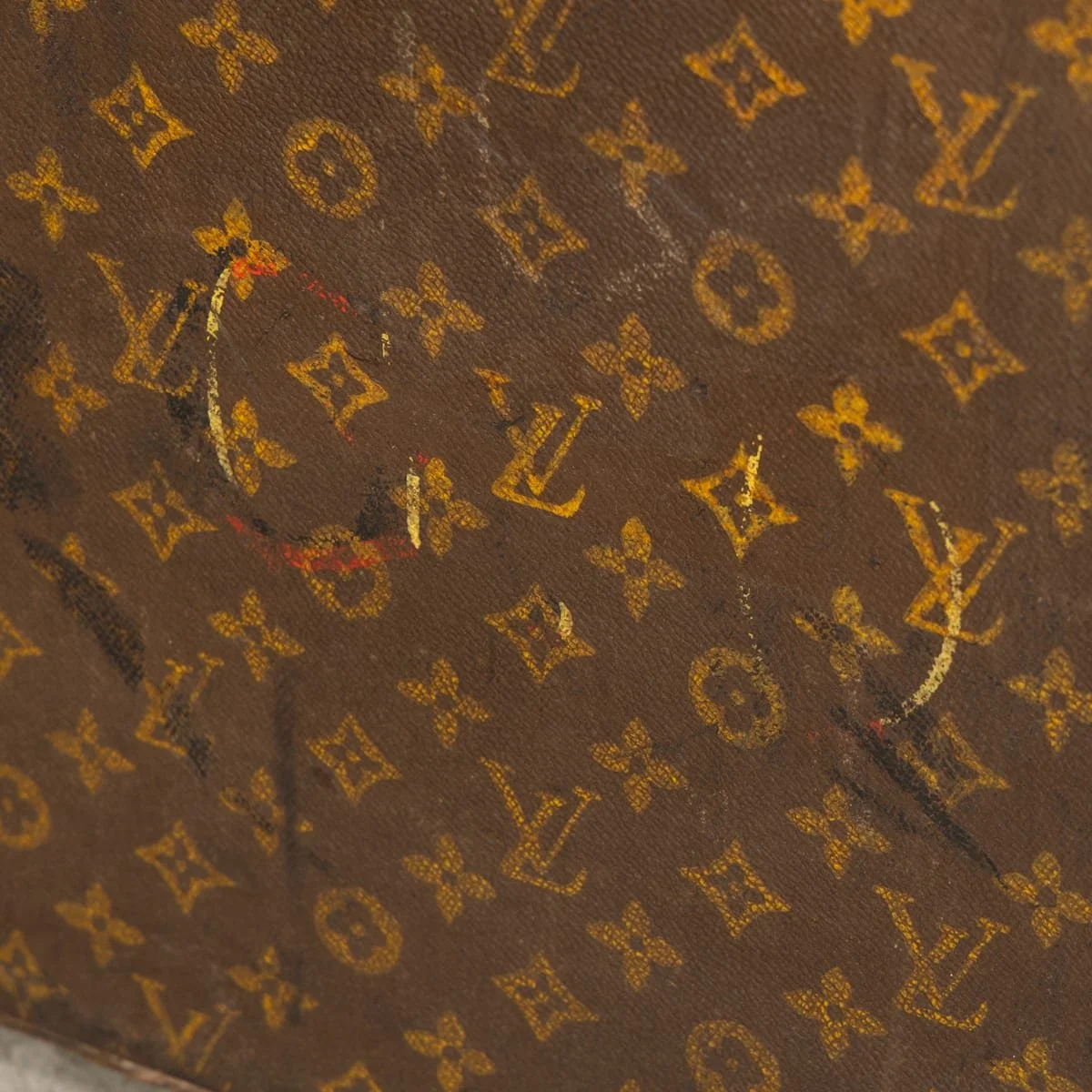
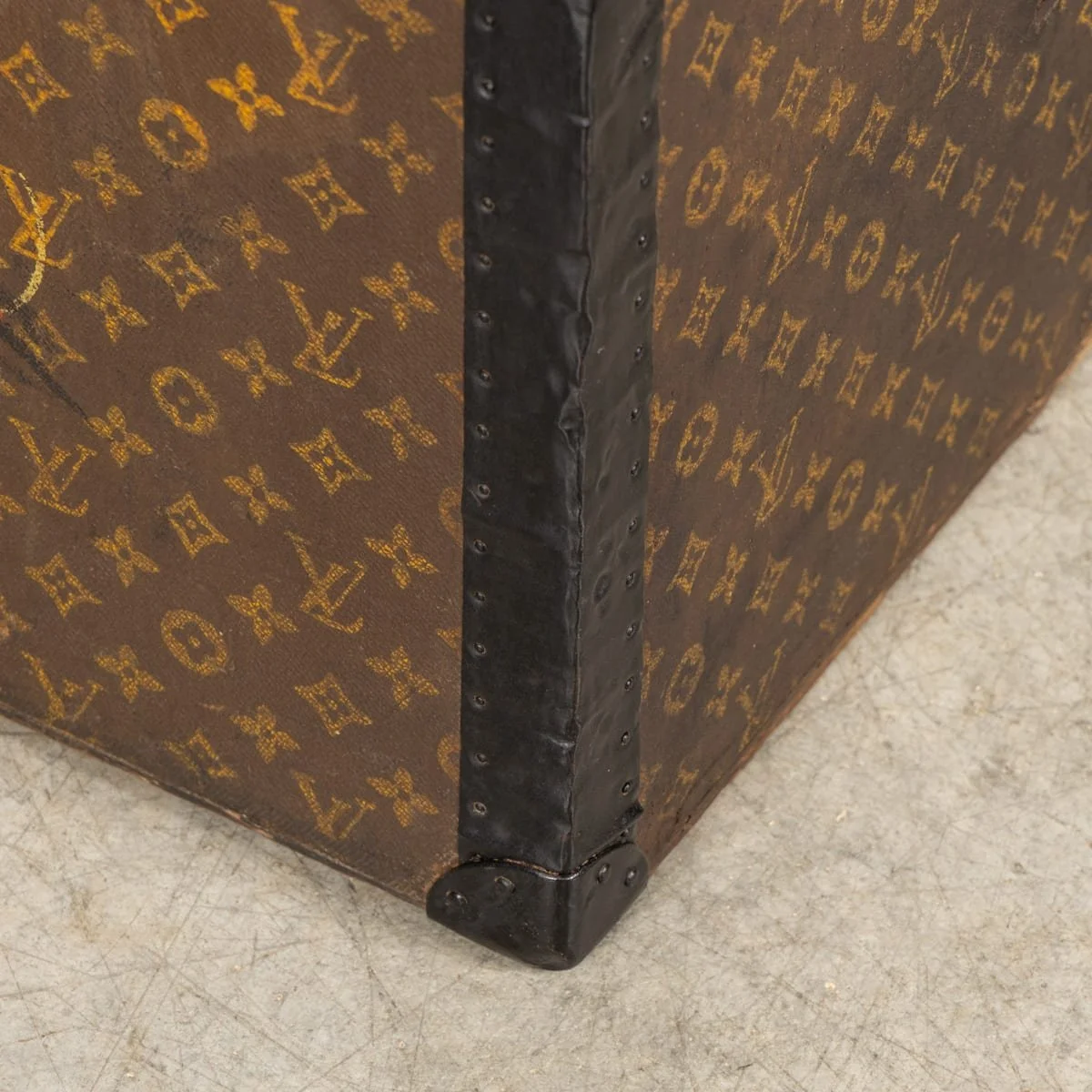
Externally, the trunk features a rich patina to the leather trim and handles, with the monogram canvas beautifully aged over time. The brass hardware, including the central lock plate, remains intact and contributes to the trunk’s strong visual presence. This form of specialised trunk is considerably rarer than standard models, making it especially desirable among collectors.
Hat trunks of this type were produced in far smaller numbers and were typically commissioned by discerning clients with specific travel needs, adding to their rarity and appeal today. As both a functional object and a decorative statement, this piece perfectly captures the elegance and innovation of Louis Vuitton’s early 20th-century craftsmanship.
A brief history about Louis Vuitton trunks: Louis Vuitton was born in 1821 to a farmer and milliner and came from a long-established working-class family in eastern France. Vuitton grew up understanding the effects of perseverance and a strong work ethic from watching his family. At the age of 16, he made the decision to walk 292 miles from his hometown to Paris to try and make a new life for himself. When he arrived the city was in the midst of industrialisation with current modes of transportation evolving quickly allowing for longer journeys. With this came the need for sturdy travel pieces. Vuitton was taken as an apprentice for a successful box maker and packer named Monsieur Marechal. He learned to craft durable containers and how to pack them properly – a well-respected profession at the time.
In 1854, years after he had mastered his craft and became well respected for it, Vuitton ventured out on his own to open a shop on Rue Neuve des Capucines. It was here that he began to establish himself as a luggage maker. Then, in 1858, Vuitton designed the first Louis Vuitton steamer trunk. At the time trunks had rounded tops to allow for water to run off but this did not allow for convenient stowage. Vuitton introduced a flat, yet waterproof, trunk that was easily stackable. The first of his trunks were outfitted with a grey canvas referred to as Trianon – it wouldn’t be until several decades later that the signature monogram would be introduced. With a burgeoning business, Vuitton moved his family and workplace to Asniere, where he employed twenty workers to craft his trunks.
By 1900 he would have 100 employees, and in 1914 the company would more than double in size. After years of success, Vuitton began to experiment with the design of his luggage by introducing a new striped canvas pattern (1876) and later the still well-known Damier print (1888). The hand-painted patterns were developed to prevent counterfeits. Even in the late 1800s, Louis Vuitton was enough of a status symbol to warrant counterfeiting. In 1886, his son George invented and patented an ingenious locking system that made it impossible to pick the lock of their trunks. This lock is still used today. 1892 would prove to be a time of mourning for the family as Louis Vuitton passed away at the age of 70.
His son, Georges Vuitton, became the new head of the luxury house. Louis Vuitton’s passing would prompt his son to once again change the print of their luggage, and in 1896, to honour his father, the signature LV monogram was introduced and patterned with LVs, quatrefoils, and flowers. Under his direction success followed and the iconic monogram rose to fame among elite clientele.
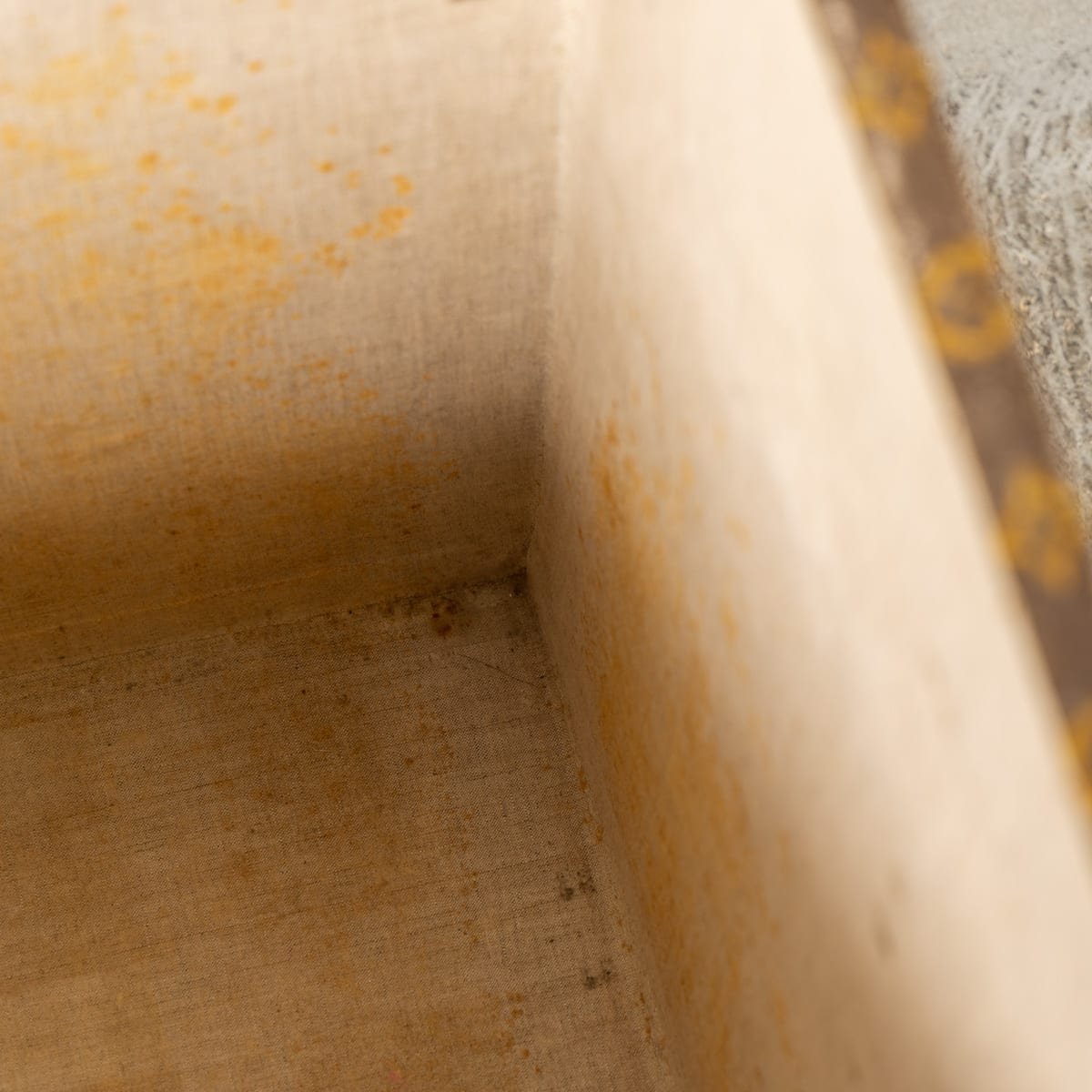
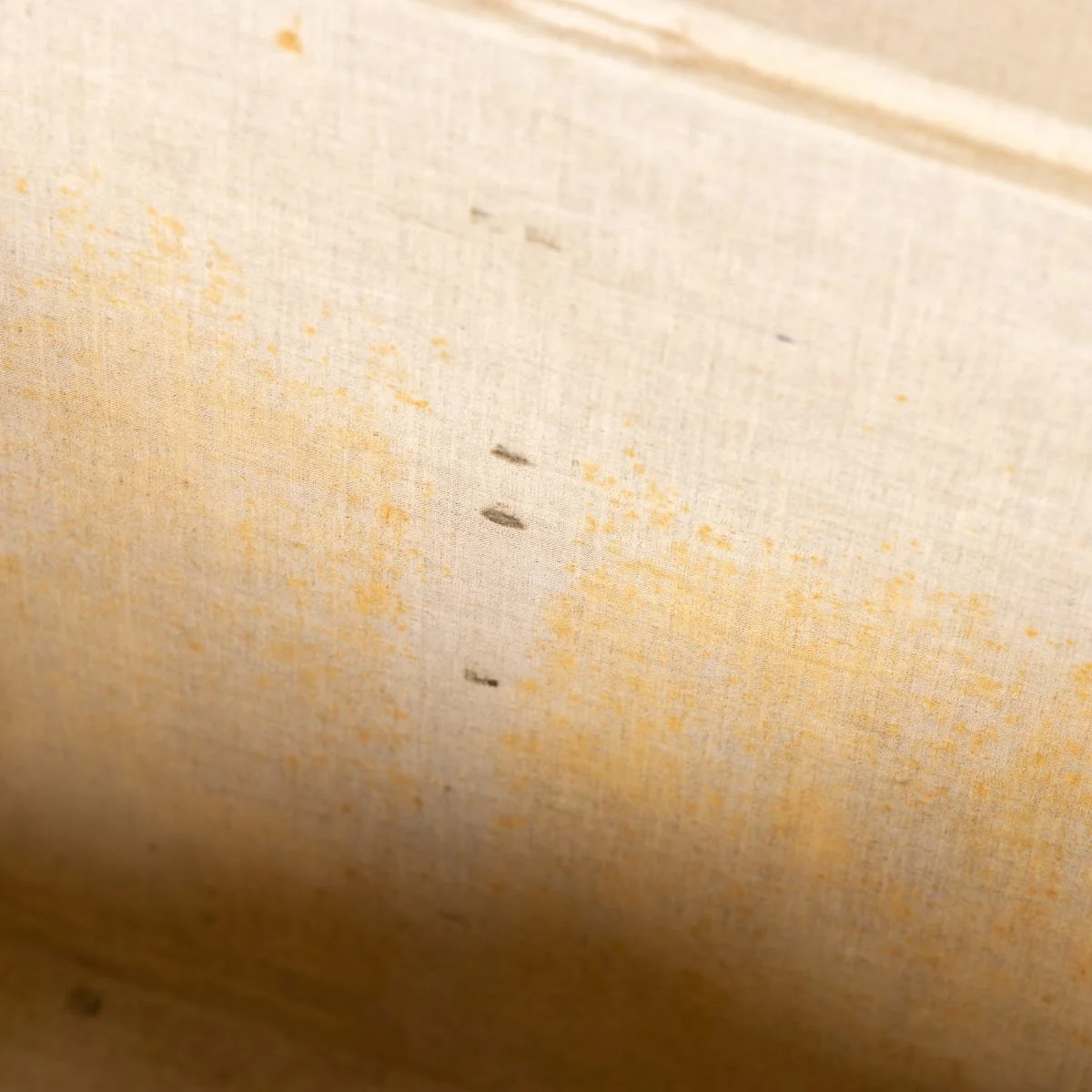
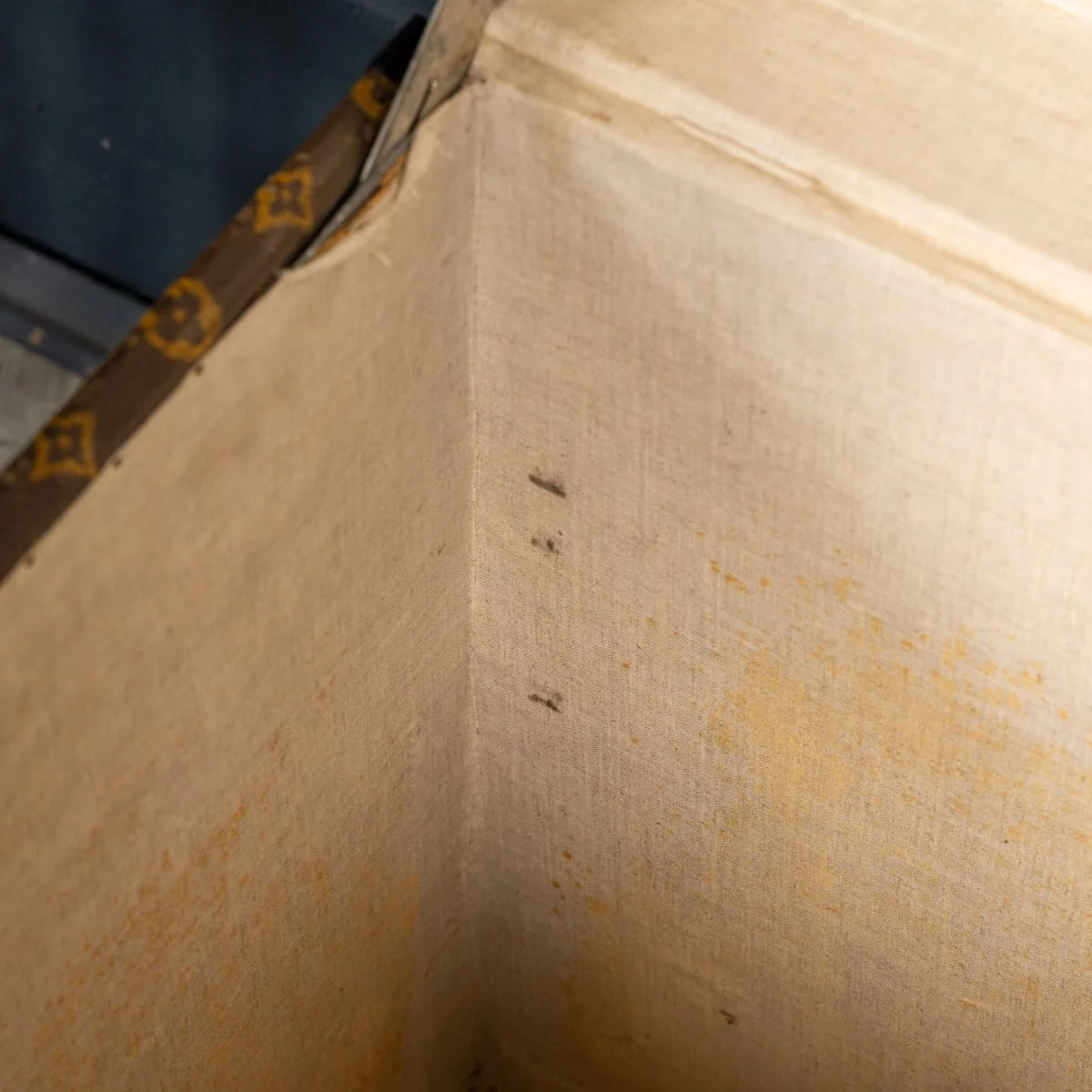
Condition: good antique condition overall, with age-related wear consistent with use. The exterior canvas shows areas of rubbing and surface wear, with patina to the leather trim and handles. The brass fittings display natural tarnishing. The interior remains well preserved, with light staining and wear to the lining and fitted compartments. Please refer to photographs.
Dimensions: 53cm high, 60cm wide, 47cm deep
For additional information please contact us:
Email: info@alessiolorenzi.com
Phone: +44 7701 088 288
REFERENCE: D2612wi